In October 2025, New South Wales’ most prestigious cultural establishments made a change. For the first time, they appointed directors aged between 18 and 28 to their governance boards.
In the words of NSW Minister for Youth Rose Jackson, these young leaders will ‘bring new life’ to these institutions. So what impact have they had so far, and what advice do they have for other emerging arts leaders?
Young voices on arts boards – quick links
Over 400 applicants for six positions
The initiative to have young people join NSW’s cultural institution boards started just over two years ago. In December 2023, the NSW Government launched Creative Communities, a policy committing to enabling ‘cultural access and opportunities for the next generation’.
That commitment led to the Cultural Institutions Legislation Amendment Bill. Introduced in March 2025, it required the six cultural institutions operated by the NSW Government – the Sydney Opera House, Art Gallery of New South Wales, Australian Museum, Powerhouse Museum, Museums of History NSW and State Library of NSW – to have at least one of their board members be aged between 18 and 28 years old.
When it passed parliament in June 2025, a selection process commenced that received almost 1000 applications from nearly 400 candidates. In October last year, the six inaugural young board members were appointed to three-year terms with their respective institutions.
The appointees
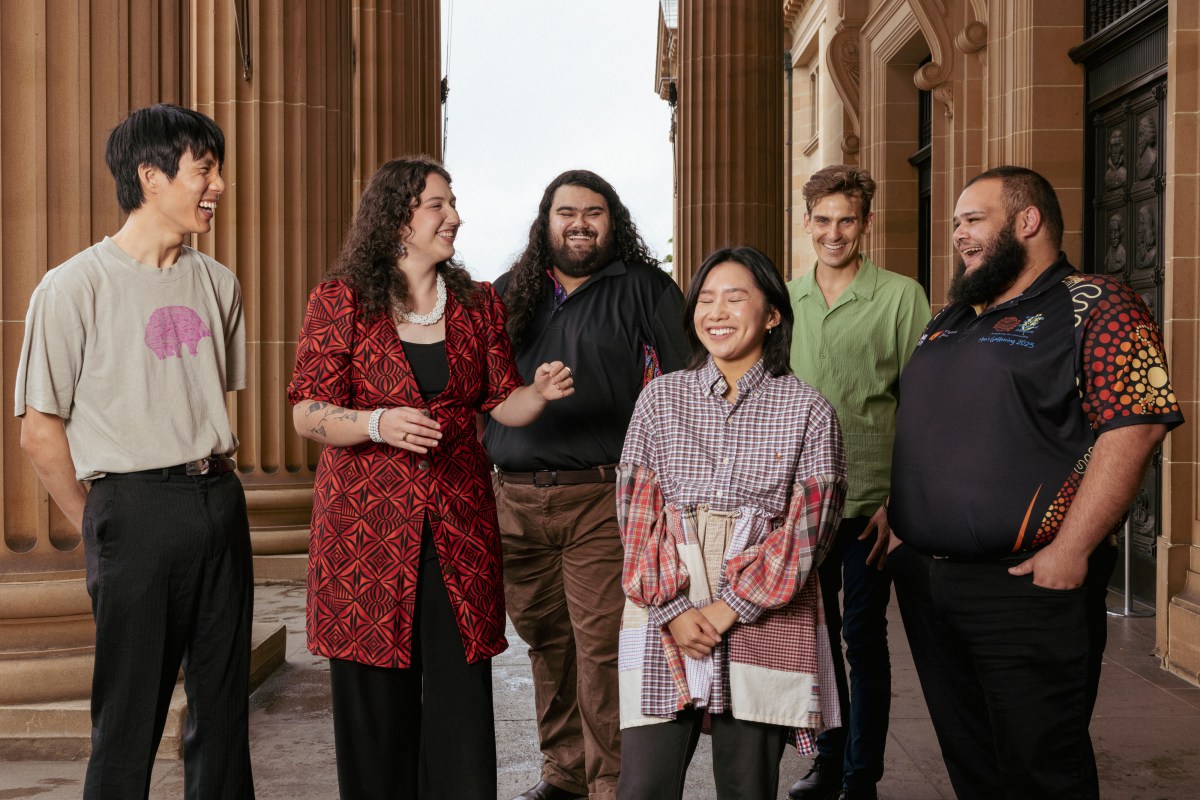
The appointees to each board reflect youth, diversity and the passion young Australians have for the arts.
Dylan Goh was appointed to the Sydney Opera House Trust. A street dancer, he is the Australian founder of Palette Session, a cross-cultural dance collective. He says he was drawn to the institution’s strategy, called Everyone’s House.
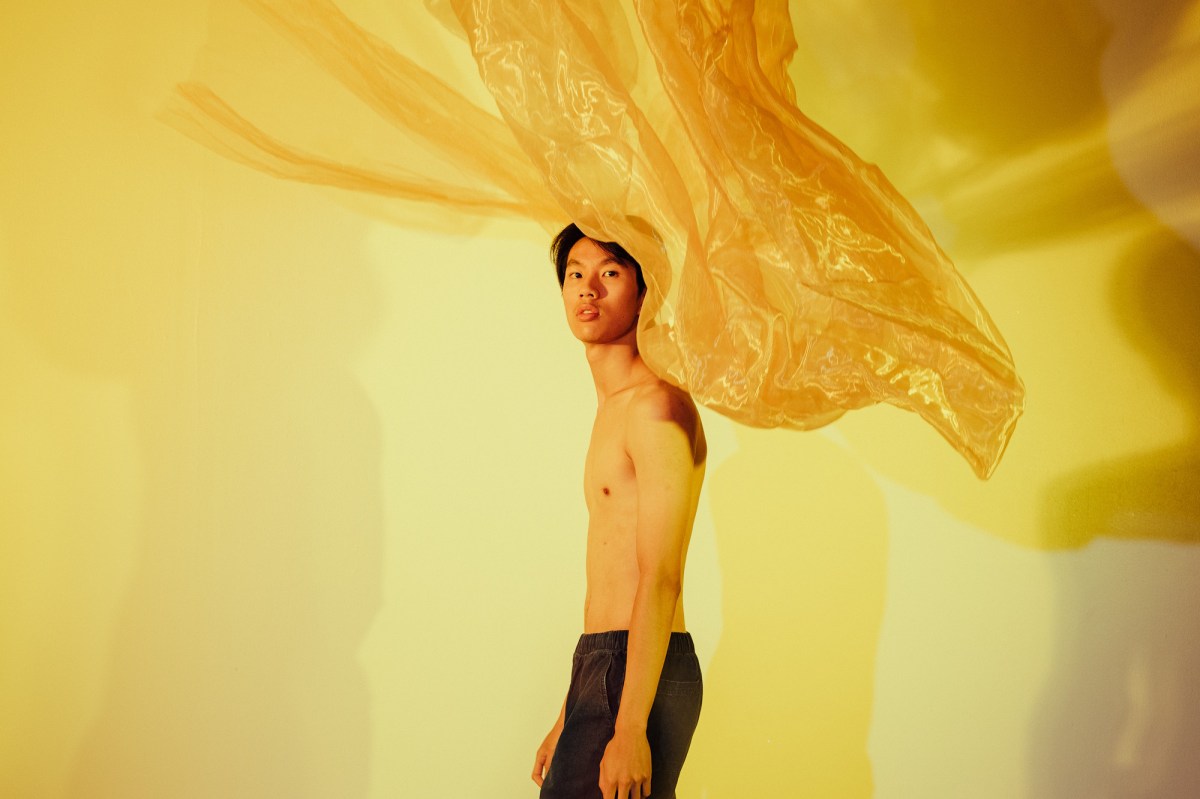
‘I was really interested in the impact the Opera House can have. Another one of my interests is looking at representation and advocacy for artists and communities, and giving artists the platform to tell their stories,’ Goh says.
‘Through Everyone’s House, the Opera House is all about making everyone feel welcome. It’s something I was curious about, and really attracted me to apply.’
Will Cook was appointed to the Art Gallery of New South Wales Trust. A journalist by trade, he currently works in Tourism Australia’s public relations team. Despite not having a background in the arts, he was inspired to join the gallery because of his familiarity with the institution and the team’s passion.
‘The Art Gallery [of NSW] has been a safe space for me for the past 10 years,’ he says.
‘The art, the people, and their passion is inherent in what is shown on the walls and the programming. To have the opportunity to be involved in that, it’s the most excited I’ve been about anything in my career.’
The other appointees are Vivian Pham, a Vietnamese-Australian writer appointed to the Library Council of New South Wales; Melissa Applin, an arts and culture professional appointed to the Australian Museum Trust; Elijah Ingram, a Wiradjuri artist and filmmaker appointed to Museums of History NSW board; and Hamani Tanginoa, a Wiradjuri, Dharug, Gooreng Gooreng and Tongan man, who was appointed as a trustee of the Powerhouse Museum.
Negotiating governance challenges
‘I think people are expecting me to say “they all hate me” and “why is this young person here who talks about TikTok and wears colourful clothing”,’ Cook tells ArtsHub. ‘But the response has been nothing but goodwill and excitement.’
Goh says he was welcomed as an equal, regardless of his age. He adds that he’s working on getting to grips with ‘the scale of the [Opera] House, and the opportunities and challenges that come with that’.
The six appointments come at a critical time, with censorship, artistic freedom of expression, financial sustainability and philanthropy putting arts boards nationwide in crisis.
The appointees approach those issues differently. For Goh, discussions around political issues come back to the Opera House’s values of ‘creativity, courage, integrity, care and collaboration’. He believes that the middle ground between an institution’s corporate obligations and its artistic ambitions is found through those values, but that his own view also incorporates the artist’s vision.
‘To me personally, the middle ground includes respecting the autonomy of the artist and keeping their vision central,’ he says.
‘The corporate responsibility we have is important because it’s what helps us realise that vision. Those competing responsibilities can also be opportunities for collaboration and growth. So what I would say is hold true to the artist first.’
Cook says it’s a case of ‘understanding that different perspectives breed different desires and requirements’.
‘In my role with Tourism Australia I work with people around the globe, so I understand the nuances of different cultures. It’s about the power of seeing yourself represented, which the gallery’s doing. I hope that given current cultural conversations, the gallery scene is a safe space for those different perspectives.’
As for finding the middle ground between an institution’s artistic and corporate obligations, Cook says that ‘blockbuster’ exhibitions ‘will really engage the community, invite them in to the space and appeal to international audiences’.
The importance of youth representation on arts boards
Create NSW, the peak government body for arts, screen and culture in NSW (and supporter of ArtsHub’s Creative Journalism Fellowship, of which this article is part), considers representation an important factor that boards must address, alongside the cultural and financial issues. A spokesperson for Create NSW said:
‘The governing entities of arts and cultural organisations must be representative of the communities they serve. Young people can help to ensure they remain relevant, innovative and accessible for future generations.
‘Create NSW is committed to supporting both the sector and young, emerging leaders in providing opportunities to connect, mentor and develop the next generation.’
Cook believes youth representation brings new perspectives to board discussions in an evolving cultural landscape, which he says helps cultural institutions think ‘in a less binary fashion’ about governance issues.
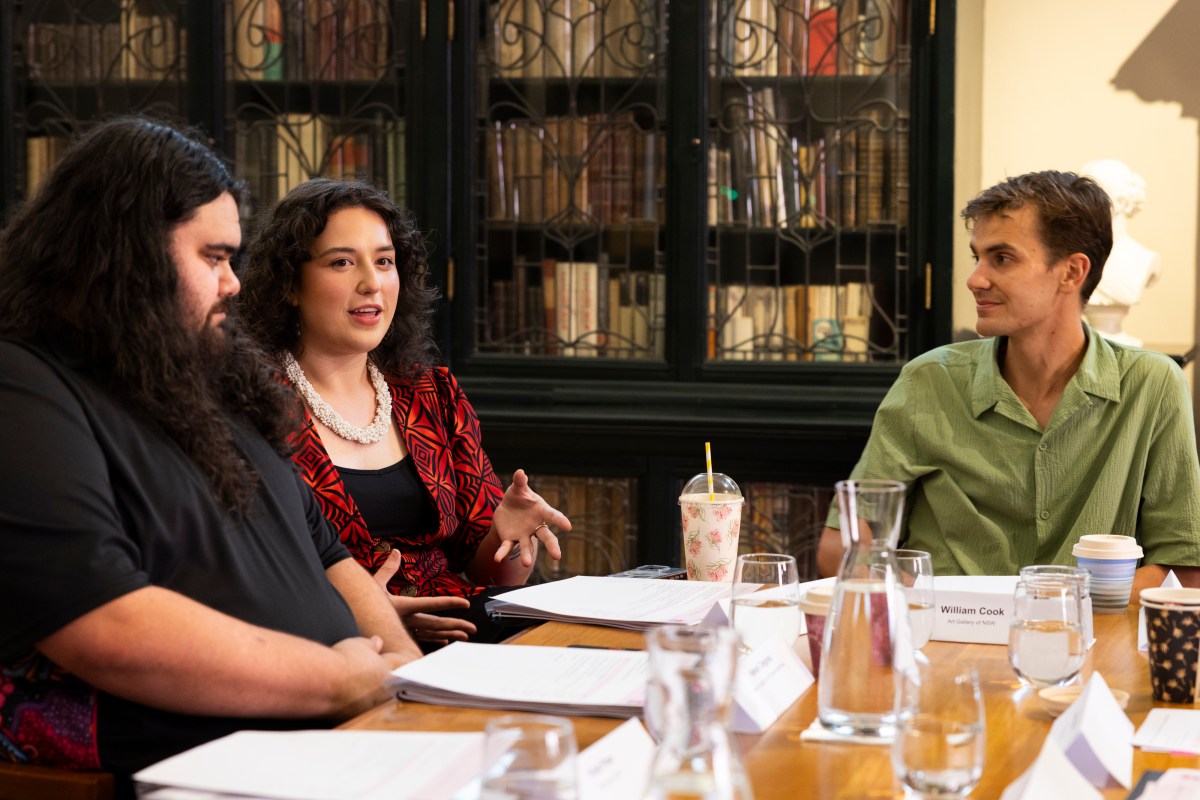
Goh adds that those perspectives are typically free from historical bias and can offer insights from a youth angle. He notes that ‘cultural institutions have a lot of accumulated knowledge based on how long they’ve been operating, but we can discuss issues with fresh eyes, and the hopes and aspirations of young people.’
However, Goh makes it clear he can’t claim to speak for the entire demographic, as young people are ‘unique, diverse and have their own thoughts and perspectives’.
What’s next for these young board members?
Despite being appointed only six months ago, Cook and Goh have aspirations for their respective institutions. At AGNSW, Cook says he wants to ‘elevate the gallery’s existing work, ensure that it’s meeting intended audiences and new audiences, and for people to feel that it is a safe space.’ At the Sydney Opera House, Goh says he would ‘love to see greater engagement with a diversity of young people’.
Create NSW are finding further ways to nurture emerging arts leaders. These include by establishing the Creative Youth Network, a group that advises government ministers on issues impacting young people in the cultural and creative industries, and by inviting expressions of interest to its artform panels, which assess applications for funding through the Arts and Cultural Funding Program.
In December 2025, the body also contacted various arts and cultural organisations and encouraged they consider appointing a young person to their boards. When approached for comment, a spokesperson from Create NSW said next generation creatives and audiences were one of the priority areas for the organisation.
‘Young, next generation practitioners and audiences are essential to strengthen NSW’s arts, culture and creative industries for the long-term … Create NSW supports young, emerging arts and cultural leaders to step forward to take a seat at the decision-making table and have their voices heard. This includes as arts and cultural leaders, artform board assessors or as board members or trustees at cultural institutions and arts and cultural organisations,’ the spokesperson said.
‘Finding ways to ensure that young people participate in experiencing and contributing to creativity is not only an investment in their future but also an investment in the future of the state.’
Advice for emerging leaders
Cook says his best advice for other up and coming arts leaders is to be curious and actively take on new opportunities. ‘Do it,’ he says. ‘People in the arts are fun. Anyone who’s culturally curious or curious about other people will be rewarded in wanting to seek out more from the arts community.’
Goh also recommends being curious, and finding your ‘snowball’.
‘One principle that’s guided my life is the idea of a snowball,’ he says. ‘My path hasn’t been one straight line, and even though I’m doing many different things, I see them all as connected and snowballing towards a common goal.
‘So the question I’d put to young people is, what is your snowball? What are you working towards?’
Most importantly, he reminds young leaders to remember where they came from.
‘When you get into higher roles, there’s sometimes a tendency to lose touch with your roots,’ he says.
‘But no matter where you end up, don’t forget the communities you have been a part of, or those who supported you. Don’t lose touch with the reason why you started.’
This article is published as part of ArtsHub’s Creative Journalism Fellowship, an initiative supported by the NSW Government through Create NSW.