A new report from the British Council has found that culture has transitioned from being a sector damaged by climate change, to being a foundational resource and functional pathway toward meaningful climate action.
The report, titled ‘Culture-Based Climate Action: Mapping the global evidence from COP26 to COP30’, was researched by KEA European Affairs for the British Council, and looks at five years of culture-based climate action across the UN Climate Change Conference (known as the Conference of the Parties, or COP), from COP26 in Glasgow to COP30 in Belém.
Drawing on evidence across six areas, including creative engagement, Indigenous knowledge and heritage resilience, the report discusses how culture empowers communities to contextualise climate risks while developing longer-term practices.
COP31 opens today in Türkiye and runs to 20 November, with Australia as President of Negotiations. A key part of British Council Australia’s role will be highlighting how these findings can be applied on a larger scale.
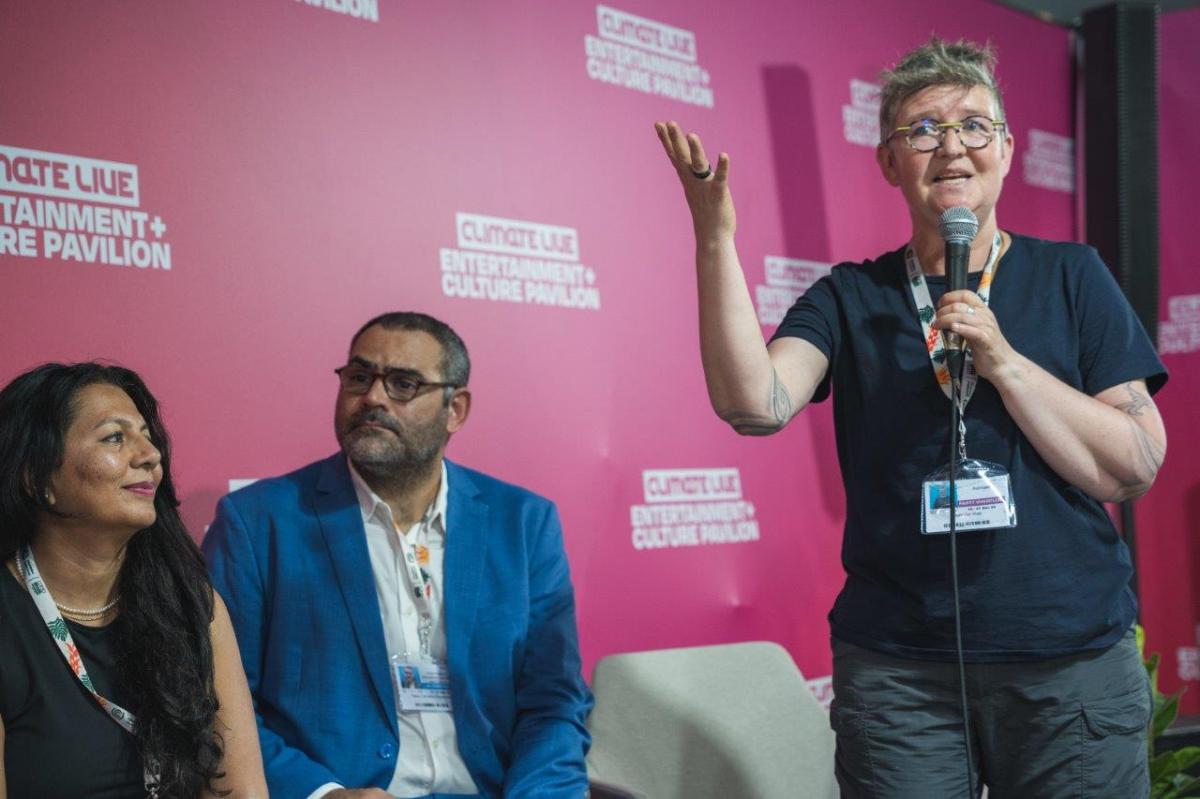
‘Climate action is often focused on the levers of targets, technology and policy. Those things, are of course essential, but on their own they’re not enough,’ says Helen Salmon, director of British Council Australia. ‘How people respond to climate change is also shaped by their own sense of agency and what they can envision, and that’s where culture comes in.’
‘Artists make the science personal and emotional and help us to understand that we don’t just live in nature, we are nature. Cultural organisations weave communities together. If climate decisions leave culture out, they leave out a fundamental part of what inspires people to care and to collectively act.’
British Council Australia’s ongoing climate action program has spanned exhibitions, artist residencies, grants and strategic partnerships with organisations including Creative Climate, Bundanon, Theatre Green Book Australia, Radio Climate and BILYA, alongside long-term work with First Nations artists.
First Nations leadership
The report reflects a shift in global climate discussions towards acknowledging what First Nations peoples have long known: that their knowledge and cultural practice are central to our response to the climate crisis. It finds Indigenous and community-led approaches are among the most effective forms of place-based climate action, yet they still face barriers to finance and decision making.
Dr Jen Rae, who was interviewed for the report, is an artist and researcher of Canadian Scottish-Métis (Indigenous) descent. She co-founded Creative Climate and Centre for Reworlding, which she co-leads with Claire G. Coleman.
‘I found [COP30 in] Belém a galvanising moment: the largest Indigenous presence ever seen at a COP, and a declaration placing culture at the heart of climate action,’ she says. ‘I’m looking forward to working with colleagues across culture, art and climate to move that recognition into implementation.’
‘That means going beyond decarbonising the arts or using culture to communicate climate messages. It means shifting artists and cultural knowledge holders from participation to authority. The measure isn’t how often culture is mentioned in climate policy, but what becomes possible and the impact because it’s meaningfully involved.’
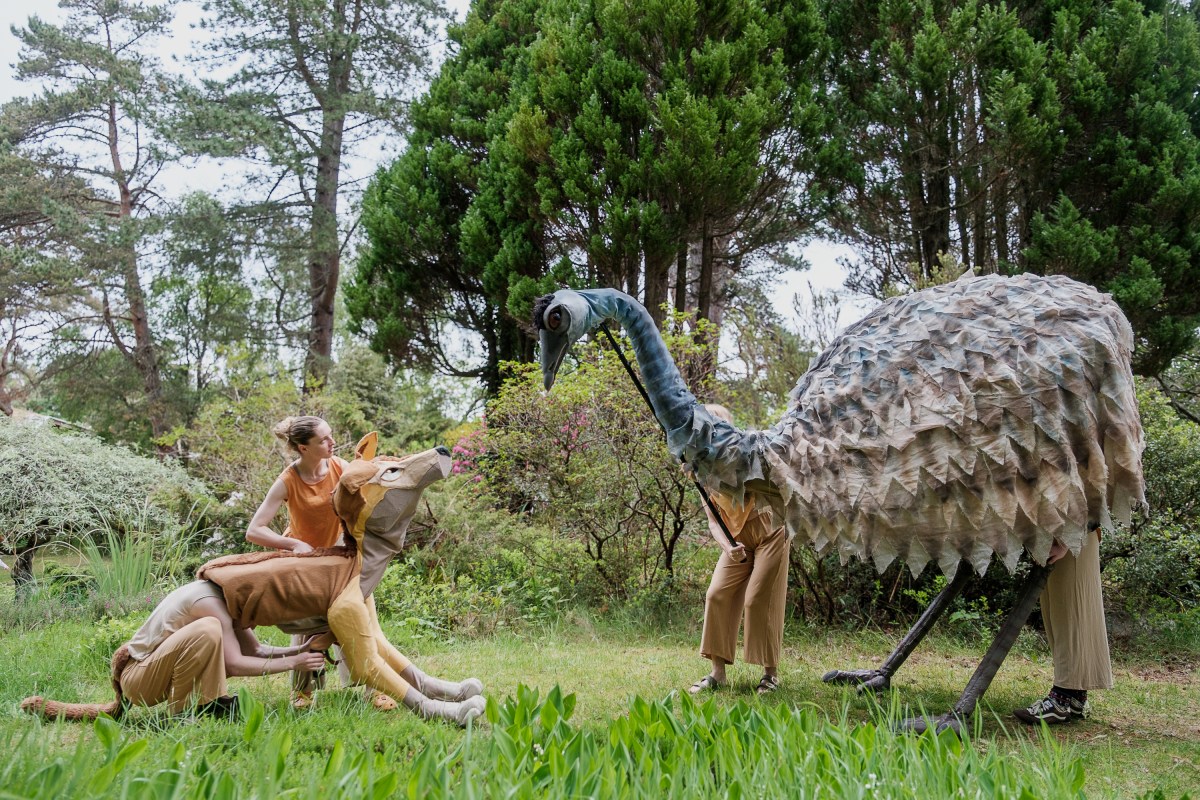
For GUURANDA X Artistic Director and choreographer Jacob Boehme (Narungga/Kaurna), whose work was supported through the British Council’s Connections Through Culture programme, that measure begins with caring for Country.
‘For GUURANDA X, caring for Country begins with recognising Yarda (Country) as a living authority rather than a passive backdrop to our artistic ambitions,’ he says. ‘When Country is given agency in our decision-making, it challenges the very foundations of how we make and tour work, asking us to consider our footprints, our responsibilities and whether our presence contributes more than it consumes.’
‘Guided by Narungga principles of Wambana (Knowledge), Yarda (Country) and Dhagarri (Future), we are developing a model of cultural exchange where reciprocity, restraint and responsibility become measures of artistic excellence.’
Moving forward with intention and recognition
With the report now in circulation, it’s a matter of implementation and momentum. The report sets out seven priorities to 2030, from closing the finance gap for culture to building creative imagination into climate programmes from the start.
For Salmon, it’s a question of both enabling local artists to continue their work, and in continuing to leverage conferences like this to facilitate connection internationally.
‘At COP30, cultural heritage was given its own place in the UN’s adaptation goals, which is a real milestone,’ she says. ‘My hope is that we now turn that recognition into directly enabling the work of artists and communities.’
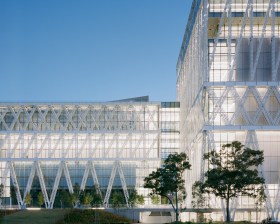
Es Devlin’s Come Home Again at Powerhouse Parramatta shows what that can look like. British Council Australia is Industry Partner for the installation and choral performance, created by the UK Artist with Botanic Gardens Sydney, which features 244 hand-drawn at-risk species. It runs on selected nights until 27 November at the newly opened museum.
In the past two years, the British Council has supported more than 43,000 young people globally to take part in climate projects, and the goal is to carry that momentum into COP31 and beyond.
‘In Australia, climate and the environment are an ongoing priority for us,’ says Salmon. ‘And that won’t stop when COP31 ends.’