When you’re someone who attends a lot of theatre, you can admittedly reach a point where the who, what, where and when of every show you’ve seen starts to get a little hazy. But there are certain productions, certain performances, that crawl into your heart and become a foundational point of reference.
For me, Fraser Morrison’s transcendent solo performance in Fruit Box Theatre’s production of Cruise is one such banger – in turns heartbreaking, hilarious, humbling, hopeful and bittersweet.
Cruise review – quick links
One actor, more than 20 unforgettable characters
This intergenerational monologue – the Olivier-nominated debut play from British writer and actor Jack Holden – darts between the clubs and pubs of London’s Soho during the height of the AIDS crisis to the modern day, where a nervous and somewhat judgemental young man is finding his footing as a volunteer for LGBTQIA+ helpline, Switchboard.
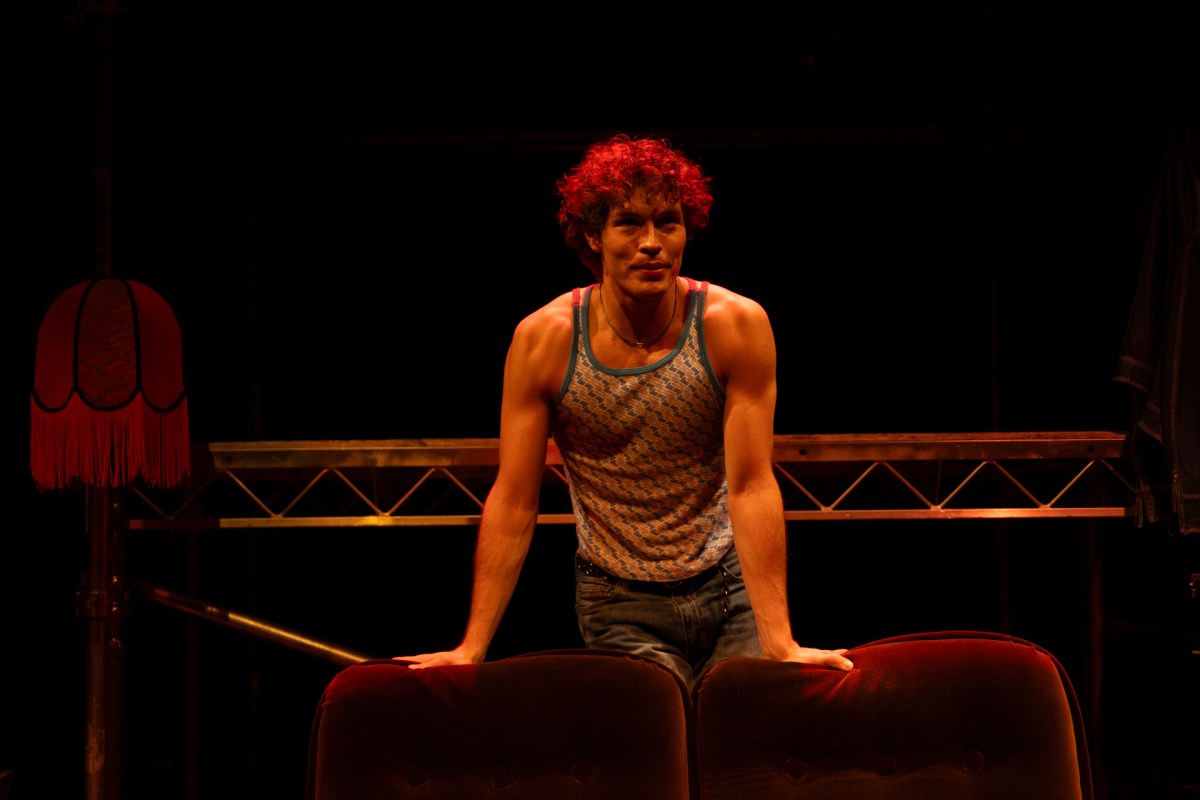
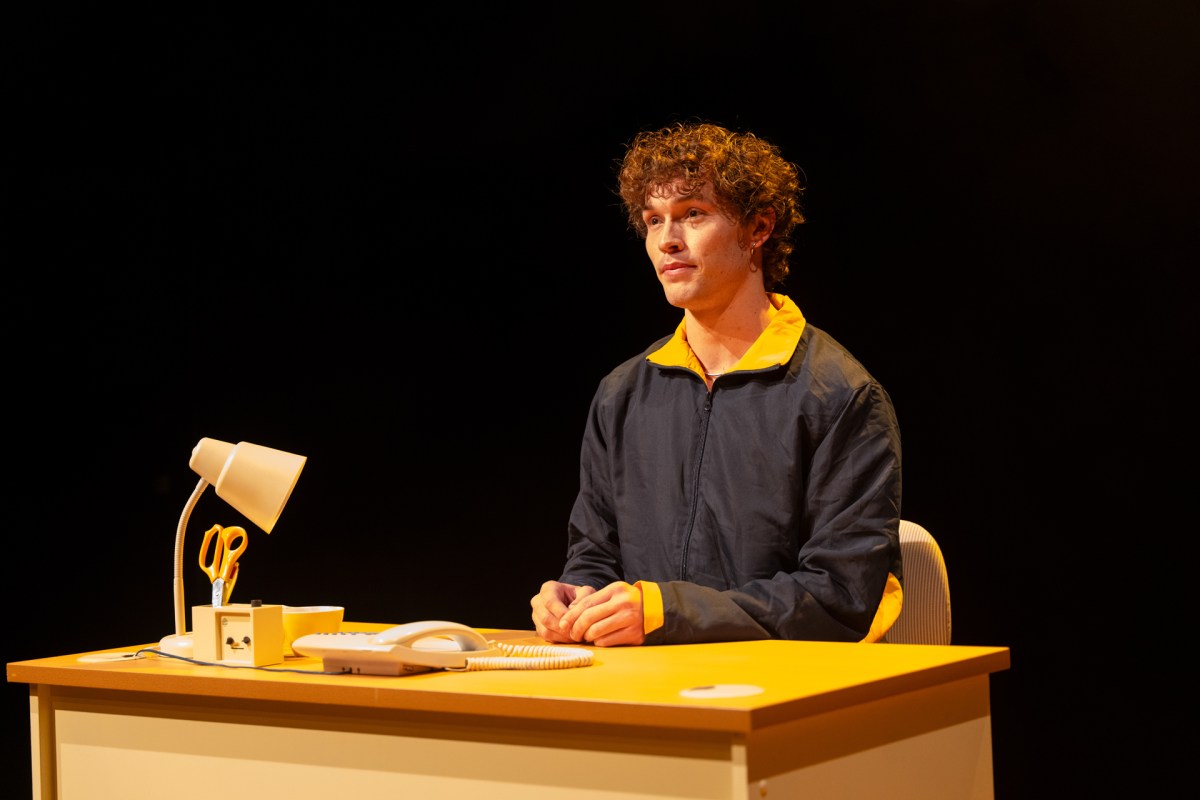
Morrison seamlessly embodies more than 20 different characters spanning four generations, and at the heart of it is Michael, a young man determined to have one last epic night out before his time is up.
In my opinion, Cruise should be required viewing for all fledgling gays. I expect that opinion is shared by Sean Landis, co-founder and artistic director of Fruit Box Theatre, who has returned to Australia from his own London jaunt to steer this expanded remount following the production’s sold-out, award-winning premiere season during Sydney Mardi Gras in 2025.
From its initial outing on the narrow, catwalk-like traverse stage at KXT on Broadway to the company’s Melbourne debut, Cruise has certainly had a glow-up.
ScreenHub: 10 of the coolest films to catch at the Melbourne Queer Film Festival
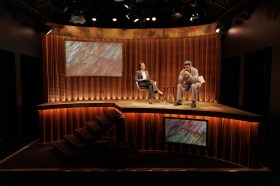
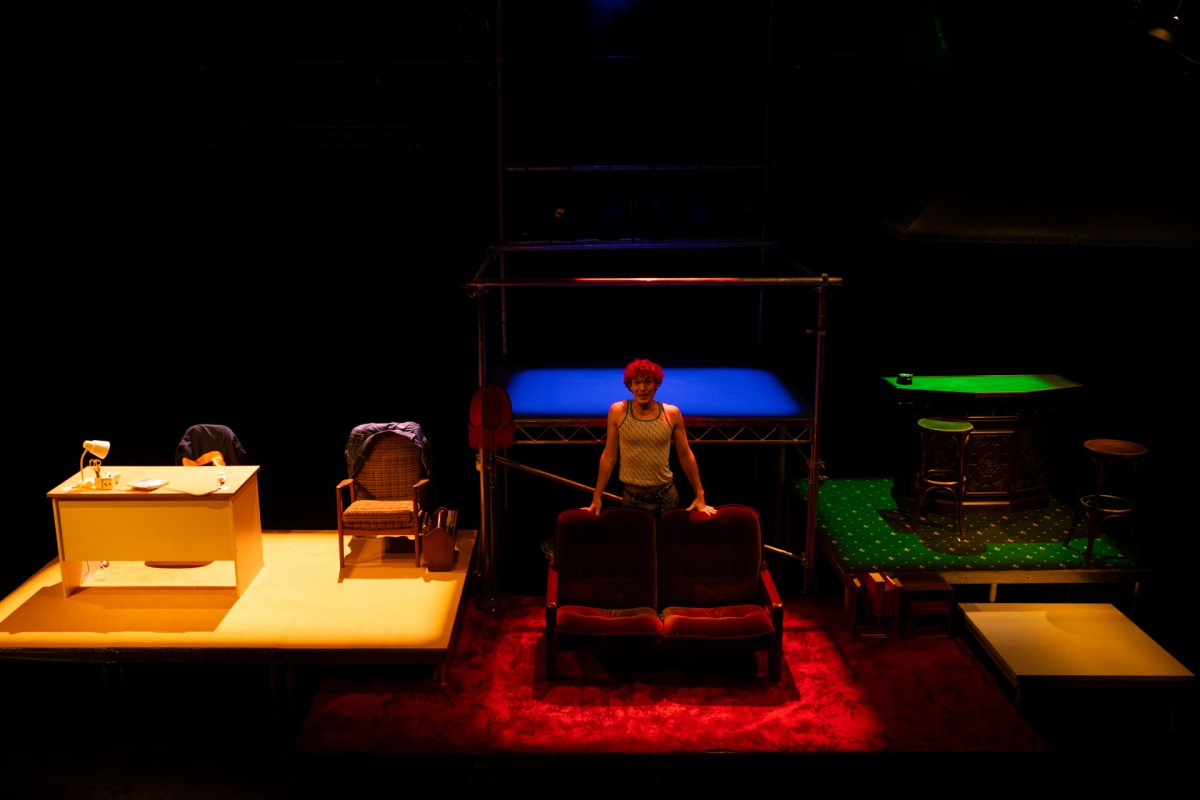
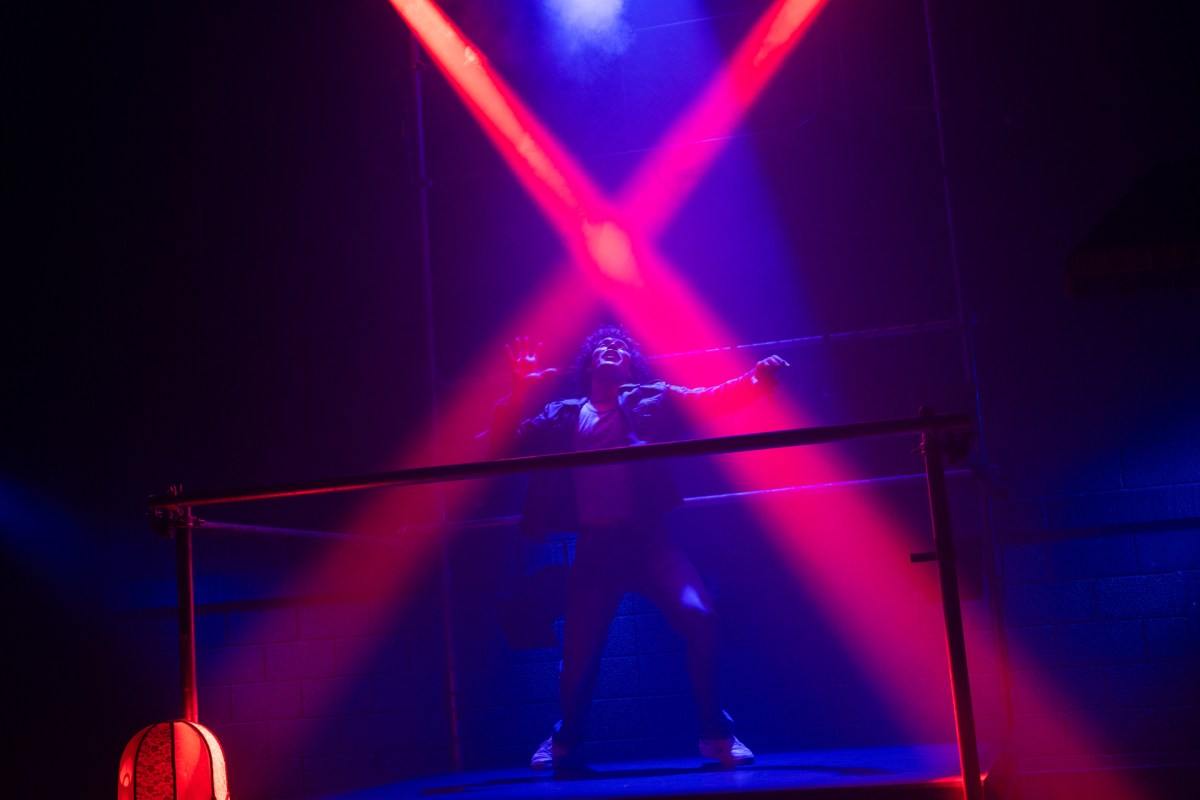
The spaciousness of St Kilda’s indie institution, Theatre Works, allows for an expanded new multi-level set to go along with a new-and-improved immersive soundscape and powerful lighting design. Happily, all the new bells and whistles serve to heighten the sparkling performance at the heart of this show, rather than overpower it.
Bigger, bolder and still brimming with heart
A procession of colourful strangers open their hearts and their homes to our couch-surfing young protagonist and future prodigal DJ.
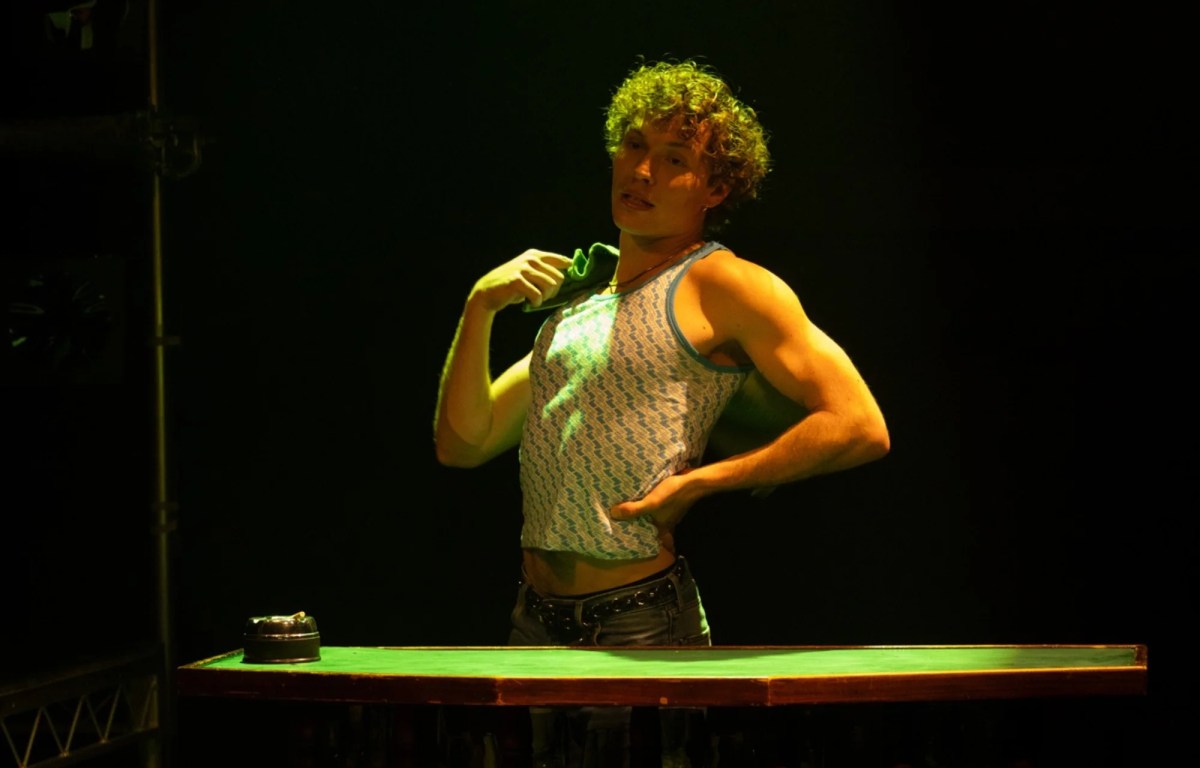
Guided by the invisible hands of movement director Jeremy Lloyd, Morrison displays impressive physicality as he morphs between characters. From a straight-shooting lesbian bartender to an ageing glamourpuss dressed head-to-toe in fox fur, a jolly New York bear to a Polari-speaking posh queer, the collective is as diverse as their varied and impressively-executed array of accents. (Touché to accent and dialect coach, Linda Nicholls-Gidley.)
A stand-out highlight comes in the embodiment of a proper old-school British drag queen who wears a sweat-stained sequin gown, with Morrision donning a busted blonde wig as a shining microphone descends from the ceiling for a live rendition of Peggy Lee’s Is That All There Is. It’s a perfect sample of that defiant, fabulous and provocative attitude that has long helped queer communities weather the storms.
Indeed, there seems to be an unwritten rule that if a queer story is going to be ‘worthy’ of telling, it requires a hefty helping of trauma. It’s an ongoing in-joke that if queer artists in Australia want any hope of securing funding, they must ‘do a Holding The Man’. (Just ask the creators of The Witchy Girls.)
A capsule of queer history
While there are cases made against ruminating on the devastation of the AIDS crisis, it is also incredibly important to keep this history alive. Not only the ravages of the epidemic and the governments that were tactically-slow to act on a pandemic that was predominantly killing maligned gay men, but also the gay liberation movement and the period of rapid political, social and cultural awakening that preceded it. Especially when there are so few queer elders left to share it, and especially when there are so many parallels to the conservative threats lurking in today’s political climate.
Swap out some of the place names and accents, and the story of Cruise could easily be playing out in Sydney or Melbourne.
I am transported to intergenerational conversations, convened over dancefloors, drinks and festival grounds. With elder gays who have regailed me with stories about the golden age of Oxford Street in the 70s. With a pretty young twink who recently sidelined me for a pep talk and sage advice at Poof Doof.
With the friends I have danced with in spaces that catered to gay men before I had even fully accepted my own truth as a queer woman, and before some of those same friends had realised that they weren’t men at all. With my mother, getting teary as she recounts the memory of a beautiful friend from the early days of her nursing career in Sydney, and how his death was so sudden and so secretive that she never had the chance to go to this funeral and tell his mother what a beautiful man he was.
I am directed to queer punk icon John Cameron Mitchell’s message for today’s young people, urging them to ‘stop cancelling each other and have more sex’.
ArtsHub: Hedwig and the Angry Inch at 25: John Cameron Mitchell on his cult hit
Indeed, up until Michael and his beloved boyfriend (a butch queen with roguish, Tom of Finland-esque good looks) each receive a fateful diagnosis, neither could be accused of being prudish. We meet a sexually liberated young man fucking around and figuring it out and settling into what appears to be a loving, happily non-monogamous relationship, before being forced to figure out how to live without that.
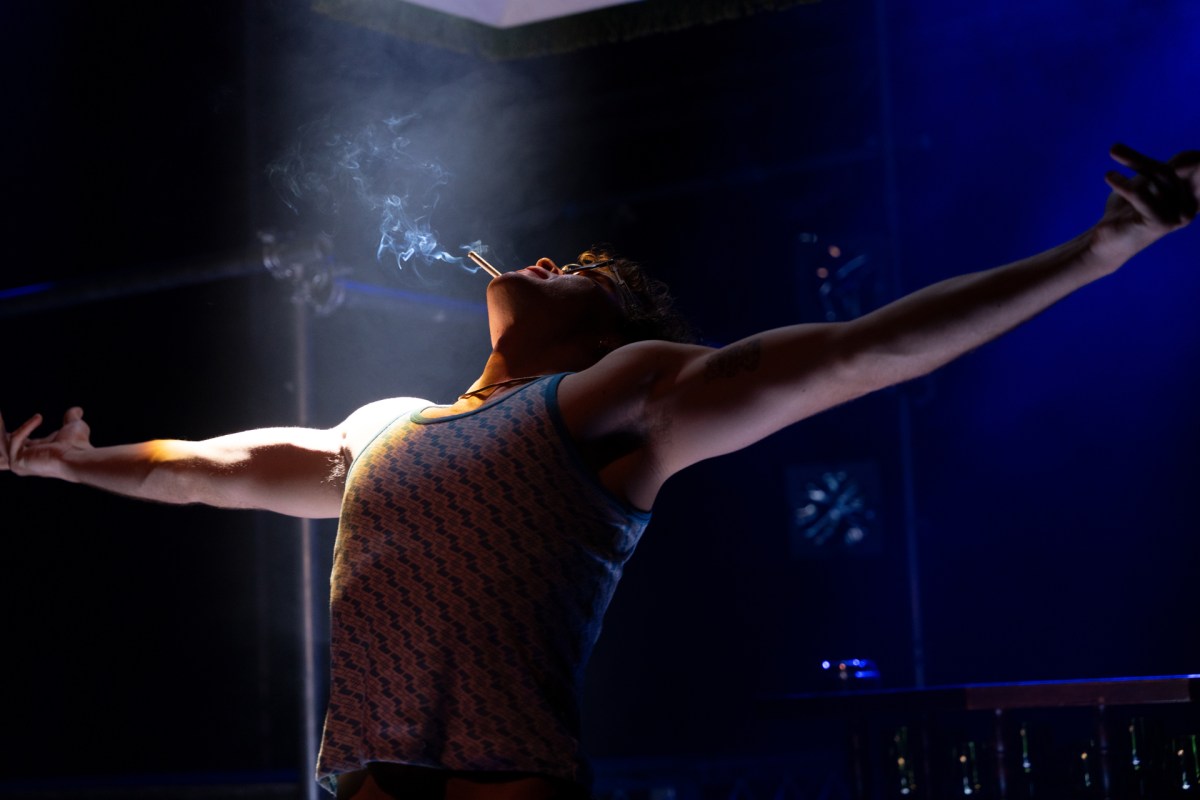
Through the highs and lows, Michael discovers that he can always return to the ecstasy and camaraderie of the dance floor, charged by the invigorating tempo of a new style of electronic music that has made its way over from Chicago. Through a dynamic convergence of theatrical magic, we are also transported.
Chelsea Wheatley’s original set, sound and costume design gets an industrial-look expansion from set designer Ruby Jenkins. The action is heightened by the saturating flashes and floods of Tom Hicks’ lighting design, while associate sound designer Sam Cheng immerses us with perfectly subdued naturalistic background noise before dropping us into the middle of a pulsing, bass-heavy dance floor.
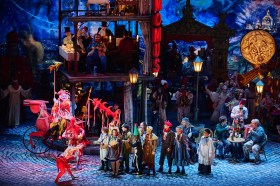
Hell, you could also argue that the underground queer club scene of 1980s Soho shares parallels with the rag-tag artist brigade of La Bohème (which Opera Australia is reviving across town). Just a bunch of creative radicals determined to party hard and make something worth remembering amid political and social chaos and the threat of incurable illness. Not a regular office job between them.
ArtsHub: Opera Australia’s La Bohème is a lavish triumph
Cruise succeeds in not only conveying a dizzying flurry of beauty, devastation and ongoing trauma but also in instilling hope, conveying the importance of seizing joy where you can find it.
Screw your meltdown about turning 30. Do you realise how lucky we are to have the privilege to grow older?
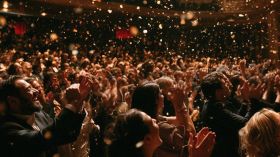
And how lucky are we to witness a tiny queer theatre company from Sydney revive and tour such a special show, and for Melbourne’s discerning theatregoers to fall in love with it, and deliver a standing-ovation on opening night? This is queer theatre made by and for queer community. Put aside the inter-city rivalry, let’s dance.