In recent years, we have seen a flurry of exhibitions that have explored the oeuvre of painter Clarice Beckett (1887-1935), led by the stunning retrospective by the Art Gallery of SA, The Present Moment (2021). It would seem, however, that audiences still can’t get enough of Clarice.
A new exhibition at Ngununggula, the Southern Highlands regional gallery in Bowral, takes a different approach, though. It pairs Beckett’s atmospheric paintings with still life painter Mirra Whale (b. 1979), drawing a timeless thread connecting these two woman artists, 90 years apart.
Beckett was only 48 when she died in 1935 – just two years older than Whale is today, painting some of her strongest work. This exhibition harnesses that incredible focus that they both share.
The starting point for this pairing was access to a remarkable collection of Beckett’s work recently restored and available to tour by the National Gallery of Australia (NGA). They had been gifted to the Gallery in the early 1970s, following a period where Beckett had largely fallen into the shadows of Australian art history.
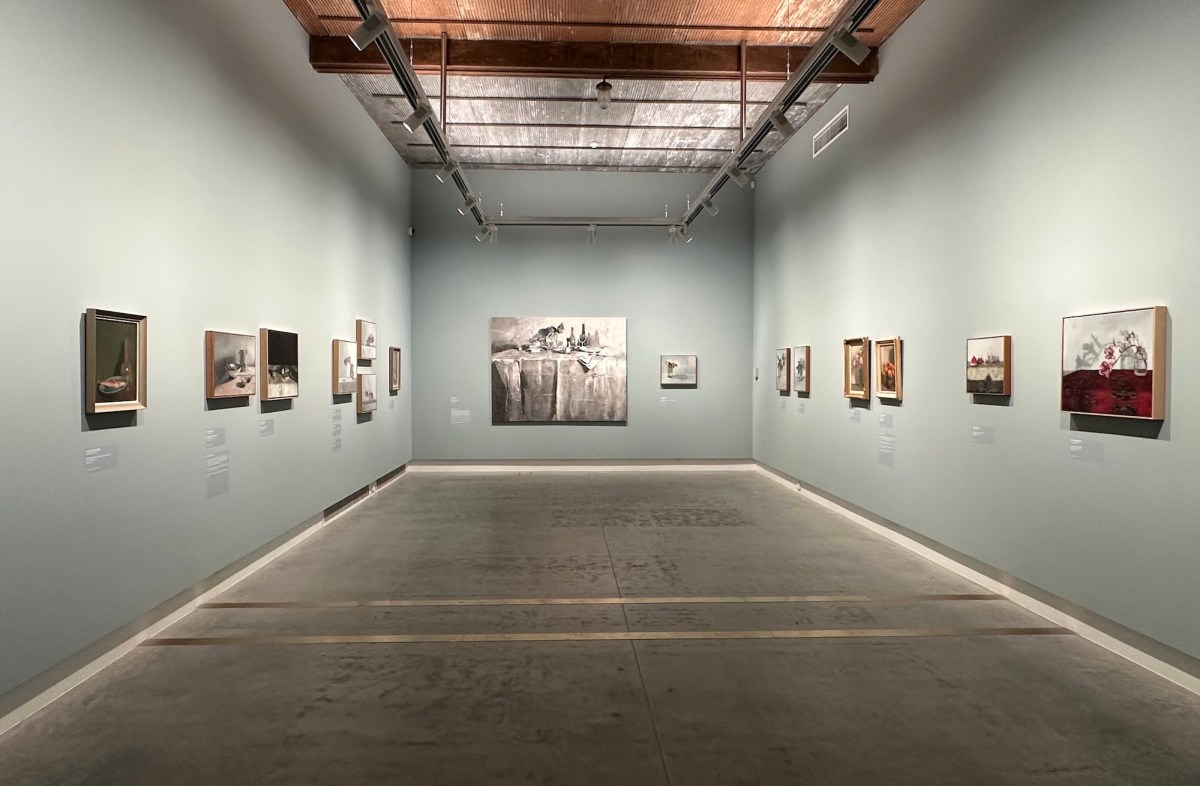
A single line of these small canvases wraps the main gallery of Ngununggula, hung at that perfect point of visual contact, so that one gets lost in the simple minutia of her studies – everyday landscapes and snippets of suburbia and coastal life.
Yes, they are landscapes and may not feel entirely a new read on her work, but the placement, gesture and framed moments within these landscapes have a synergy with Whale’s own celebration for the small detail and domestic introspection.
The gallery walls shift colour three quarters of the way around this room, signalling the point where Beckett and Whale’s works start to sit in conversation, in the exhibition titled Scenes & Silence.
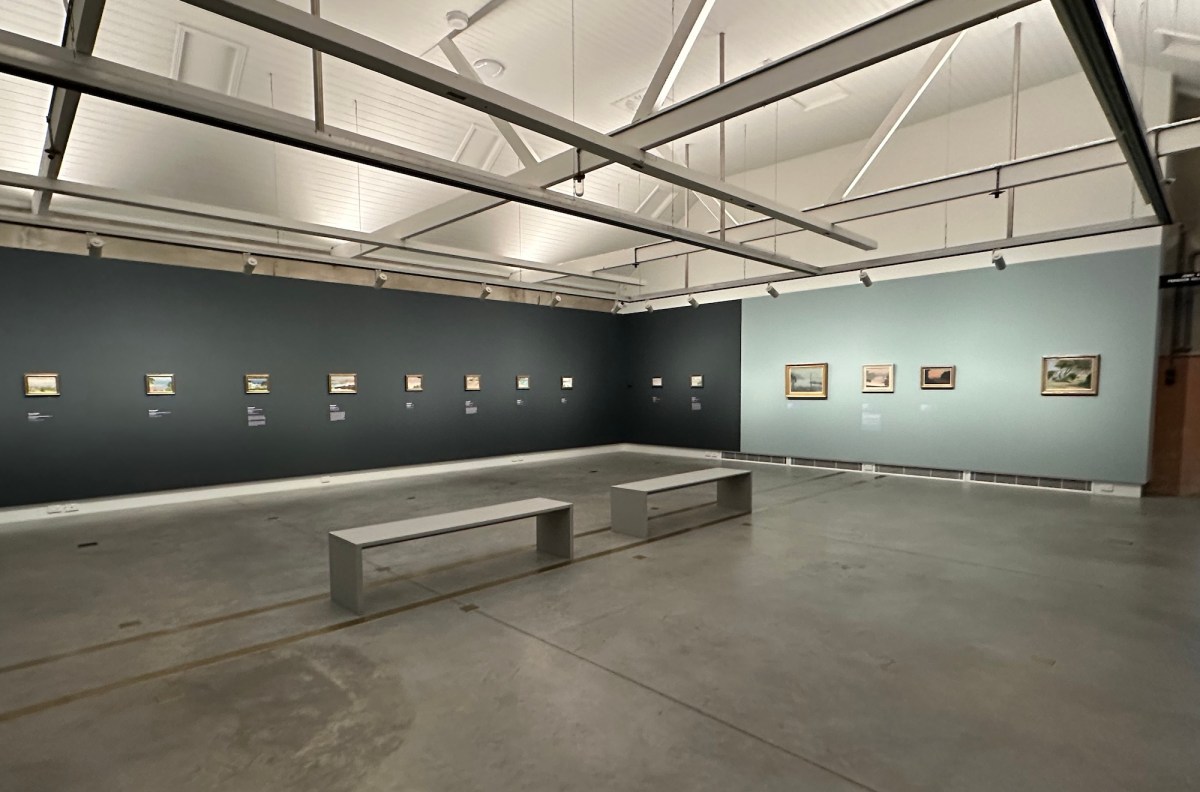
There are no set clusterings, chronologies or quirky riffs off each other. Simply, it is an airy hang allowing the viewer both the space and time to appreciate the nuances of each work.
That shared quietness is appealing, and in it, one starts to draw their own connections between these women painters beyond a signature misty style or genre-based painting.
Rather, it is more an emotional connection that sits across these works – a harvest of fresh fish from the sea laid out on an oatmeal coloured tablecloth painted by Whale could well have come from a beach landscape by Beckett, with its washed-out sands and briney horizons speaking to a simplicity of coastal life and bounty.
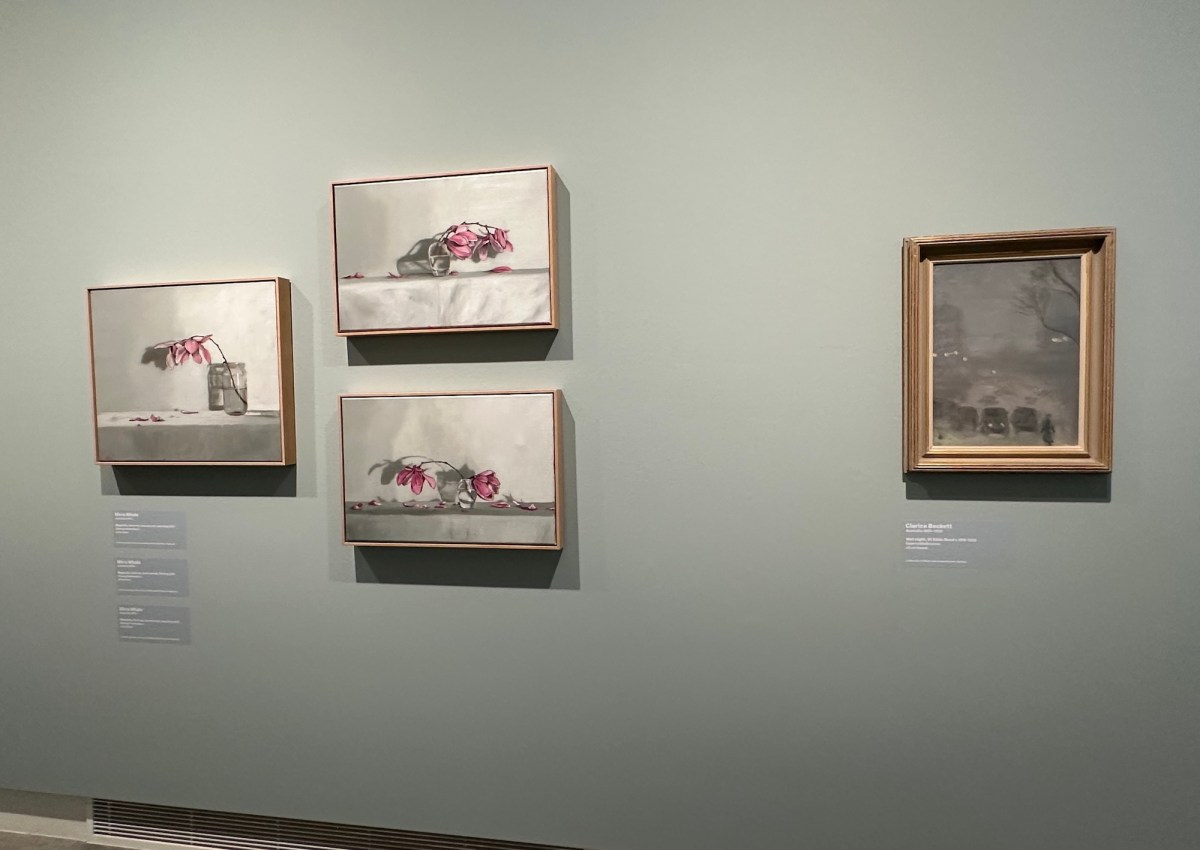
While some of Whale’s paintings are an evocation or in response to Beckett’s work, largely this exhibition is less literal, rather turning to shared emotion or humility for their subject. Both artists were / are compelled to often revisit a subject – finding endless poetics in the everyday and solitude, and we see that repetition across this exhibition.
Overall, there is nothing grand or attention-seeking here; the paintings whisper their own connections to you, and time evaporates. One walks away with a feeling of vitality for this painting genre.