Bloodsuckers: Nature’s Vampires, now at the Australian Museum in Sydney, is a layered exhibition with a difficult task: to weave together fact and fiction in a scientific exploration of the bloodsucker, and how real-life creatures have inspired more magical myths.
With a lush and well-designed aesthetic, and a neat flow between its disparate topics, it manages to tell its story well, carrying audiences along like tiny blood cells in an ever-moving stream.
Bloodsuckers review – quick links
Let the tide of blood sweep you away
Bloodsuckers is immersive from the moment you pass beyond its fanged, castle-like entrance. Travelling down a level by elevator is like descending into a dungeon. When the doors open, you’re immediately assailed by the buzzing sounds of mosquitos and the thumping of a constantly beating heart.
While not loud or overwhelming, it ensures that travelling through the exhibition feels like wandering within a living, breathing being. A low, red light douses most of the exhibit, further encouraging that feeling of being part of an ecosystem, and having a personal stake in this exploration of bodily fluid and the creatures that prey on it.
This is an exhibit that aims to allay fears about bloodsuckers by pushing back on the unknown. At first, it paints an impactful picture of fright with its red lights, beating hearts and buzzing sound design – but this is to set a scene that becomes less frightening with each new installation.
Here, bloodsuckers are just another part of nature, deserving of your care and empathy.
The exploration of science begins with a look at prehistoric bloodsuckers, including preserved amber specimens of black flies, which are believed to be around 45 million years old.
Here, it’s established that blood has always played an important part of ecosystems, with certain creatures sucking blood, from prehistory to today. The act of sucking blood is described as essential for some species, with many evolving to develop appendages for easier transference – multi-part suckers and mouthparts, and various other delivery systems.
Bloodsuckers treads a fine line between disgust and fascination, providing just enough imagery and specimens (plastic and real) to illuminate the value of sucking blood, and how the substance can sustain life. There are also optional exhibition sections where visitors can learn more, with appropriate warnings that these contain more graphic imagery.
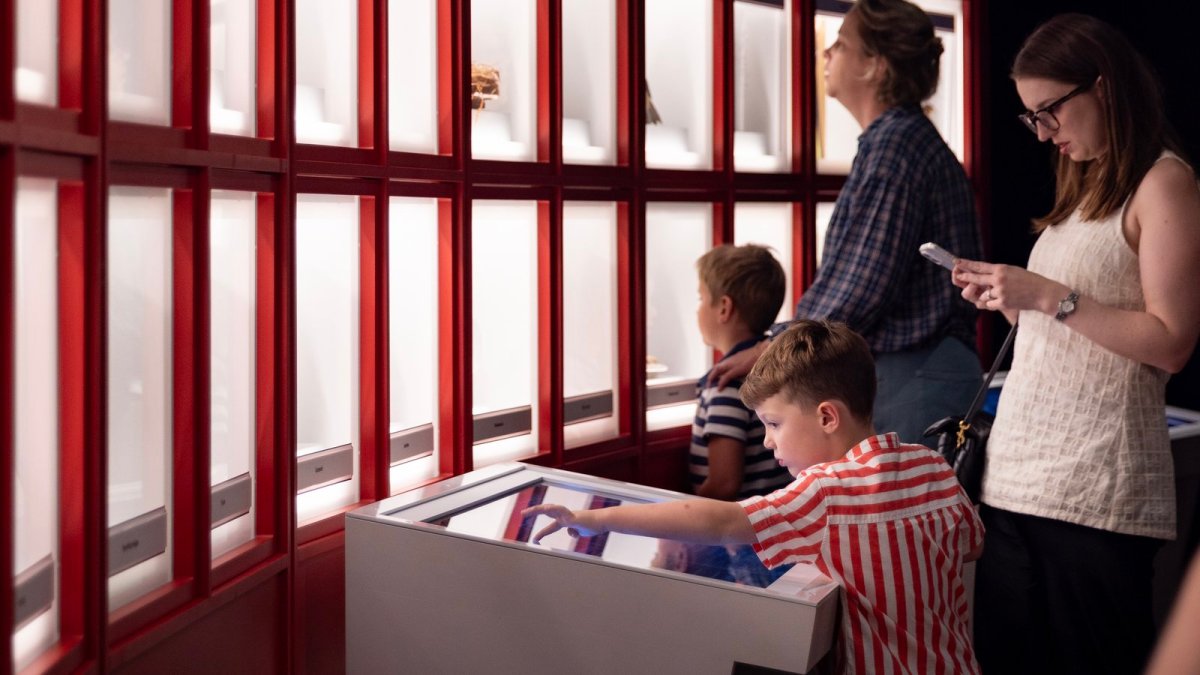
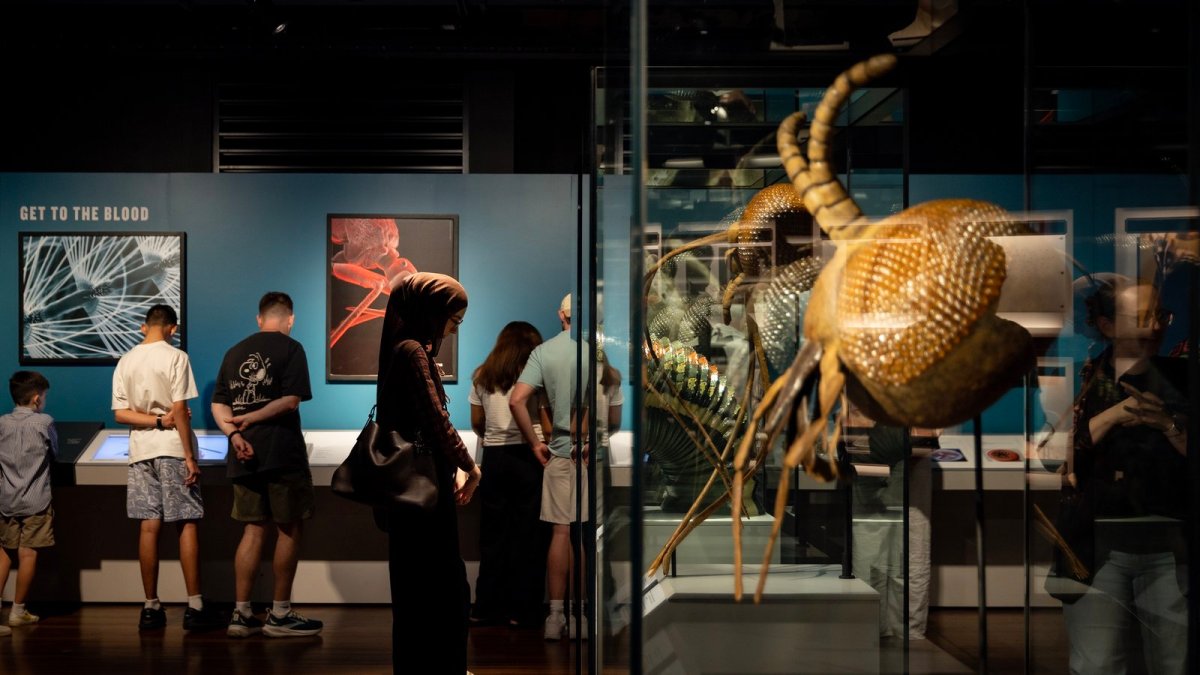
The interactive elements of the exhibition are particularly novel, allowing the chance to explore smaller specimens using magnifying glasses. Enlarged installations also give good looks at fly eyes and antenna, explaining their purpose and relation to bloodsucking.
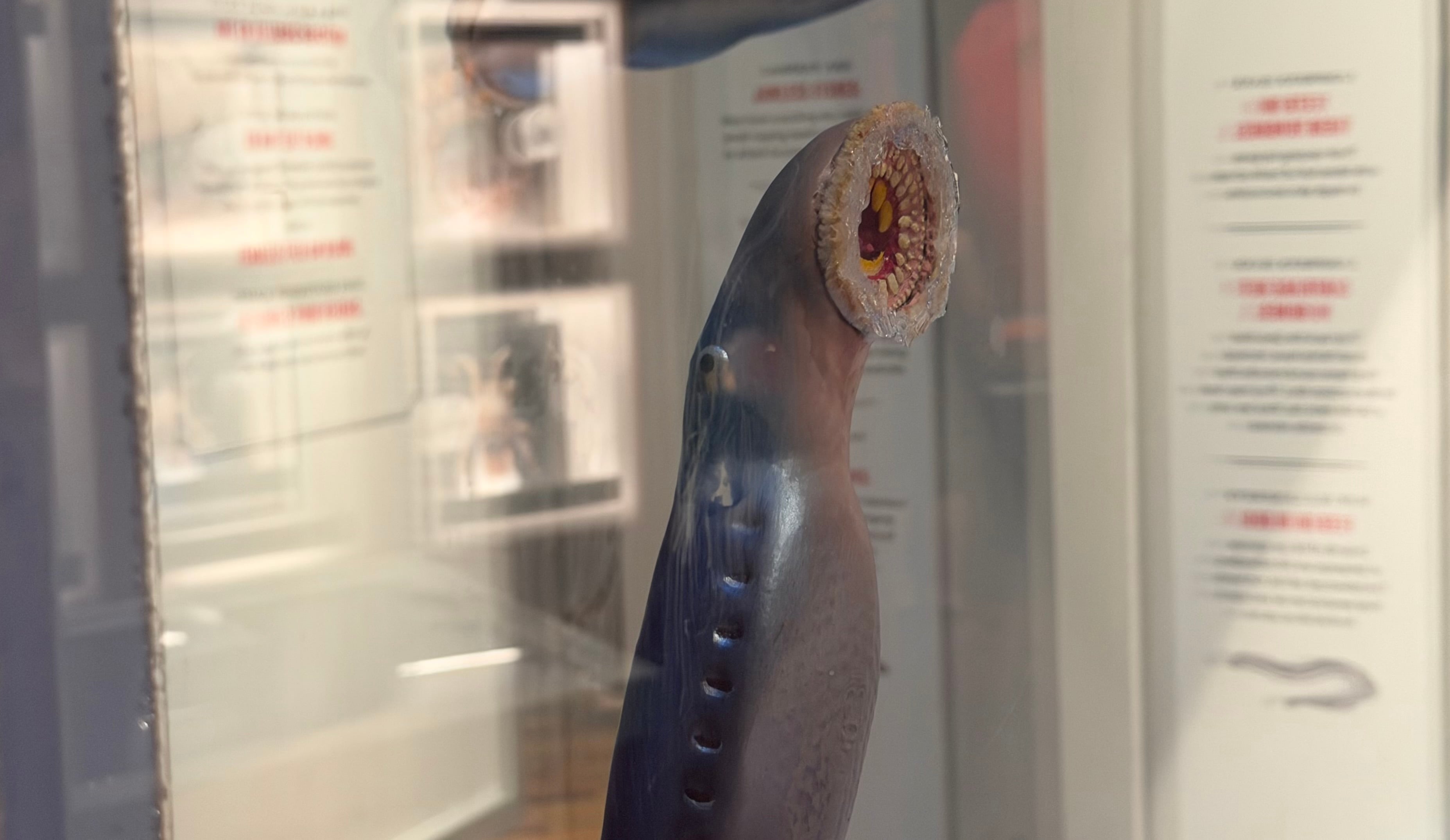
Following a cabinet of taxidermied bloodsuckers, from the humble lamprey to the heartworm – which is horribly fascinating – Bloodsuckers undergoes a rather unique transition, moving on to examine bloodsuckers through a pop culture lens.
From fact to fiction
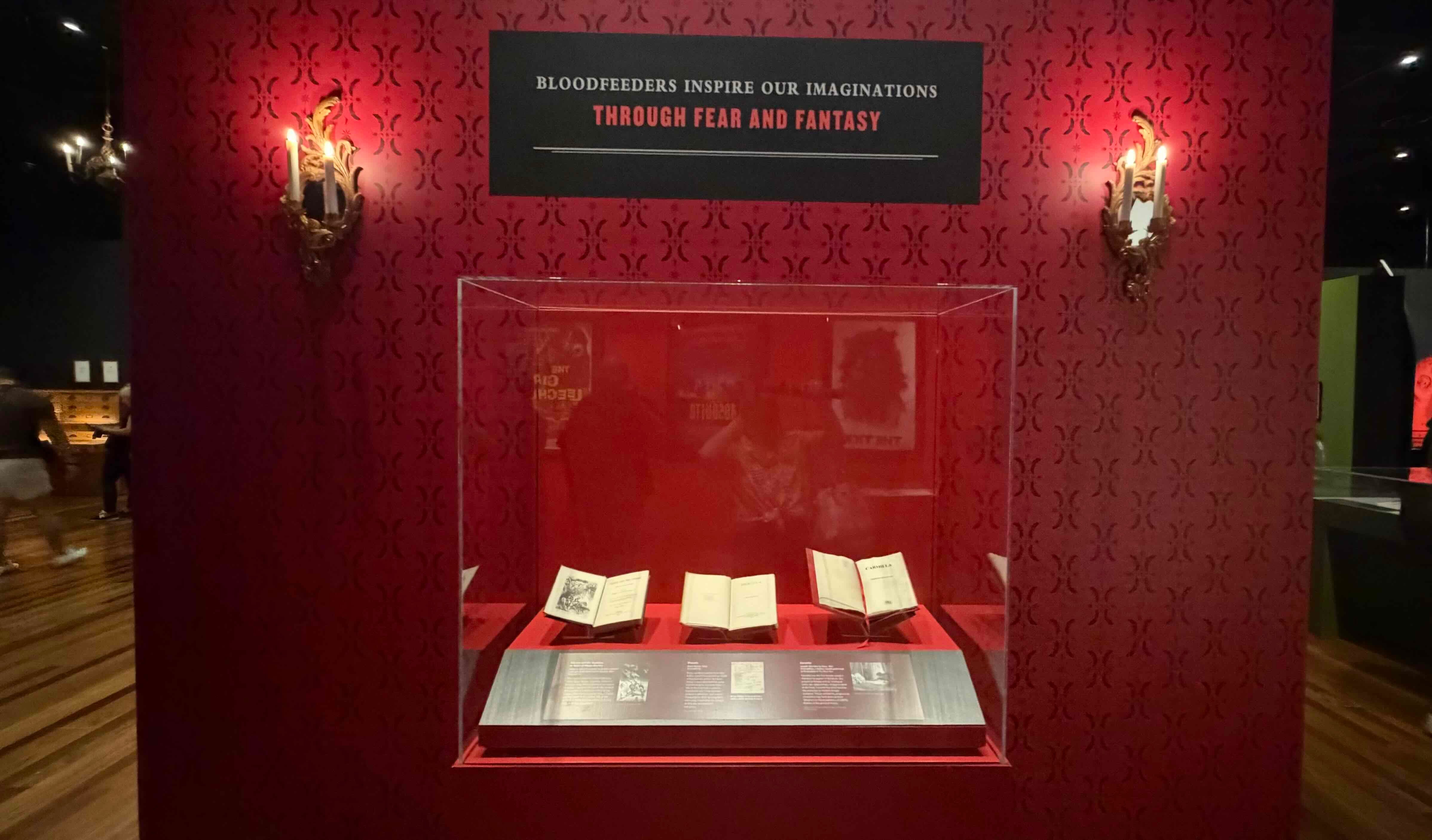
After considering the history and science of bloodsucking creatures, providing just enough new knowledge to tantalise, Bloodsuckers explores how misconceptions raised monsters, in the form of vampires.
Various modern mythologies were driven by fear and misunderstanding. The exhibition explores how these misinterpretations – of the human body, bloodsucking creatures and the importance of blood – gave rise to reports of the living dead in the 1700s.
‘Vampire lore is rooted in a fear of the unknown,’ reads one placard in the exhibition. ‘For eastern European villagers in the 1700s, mysterious diseases and lack of medical knowledge contributed to a belief in the undead.’
Rather than dismissing this, the exhibition examines the sprawling mythology of vampires in a way that highlights the spread of misinformation and lack of knowledge, and how it became its own beast.
It takes the history of vampire mythology and media seriously, which is rare for an exhibition of this calibre. Typically, we see monster media dismissed as flighty fantasy, with little grounding in reality, or otherwise dismissed as having no cultural value.
Yet as Bloodsuckers outlines, it’s worth exploring the rise of this mythology alongside the historic understanding of bloodsuckers, to explore how science may educate and resolve fears.
Another novel aspect of this exhibit is a map of the vampires of the world, which highlights how a lack of scientific knowledge spread vampire mythology across the globe. Nearly every continent has its own interpretation of vampires, with this spreading by word of mouth or ignorant news reports.
The map lends credence to the idea that studying vampires can help to understand historic fears and prejudices, and how they’ve shaped modern culture.
A later room examining bloodsuckers on film is equally important, for what it reveals about our relationship to bloodsuckers and how they’ve become better understood.
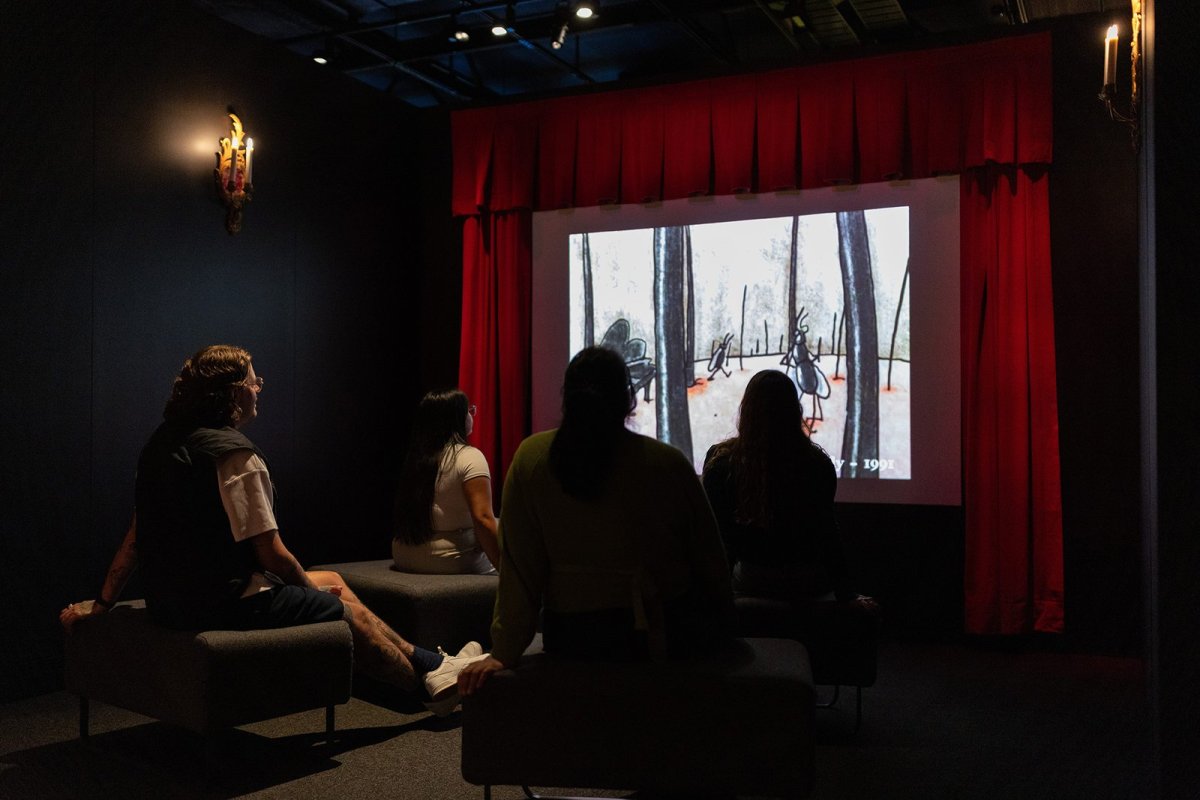
In this room, you can find posters for Blade, The Tick, The Lost Boys, Interview with the Vampire and more, with each film charting one interpretation of bloodsucking, as inspired by modern understanding, science and culture. You can also sit to watch various clips of black-and-white bloodsucker films, with many leaning into that fear aspect, in contrast to the ‘cooler’ and more modern interpretations.
What we’ve learned about bloodsucking
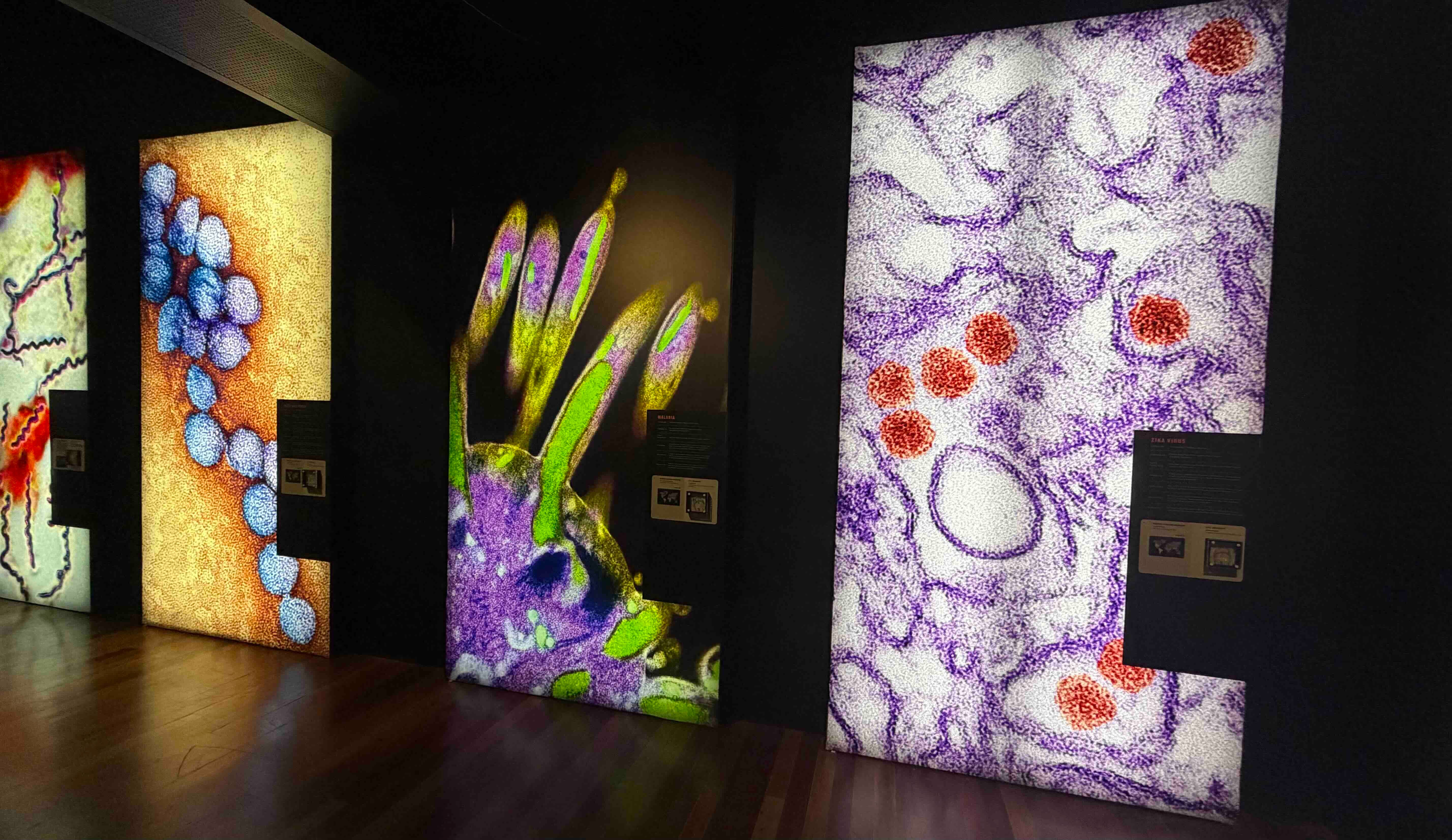
From here, the exhibition transitions again to consider more practical applications, exploring everything that modern science has taught us about blood, the diseases it may carry, and how we can learn to live with bloodsuckers.
While this part of Bloodsuckers does feel oddly placed, if only because it follows a less grounded exploration of fantasy and pop culture, it remains a fascinating and educational exhibit, offering the right balance of disgust and fascination to teach more, and help to bridge knowledge gaps.
It’s representative of the overarching and wonderfully clear theme of Bloodsuckers: that we must understand the world of bloodsuckers, to know how to live with them, and to see what part they’ve played in modern culture.
For vampire fans, it’s a chance to consider their enduring cultural relevance and learn more about the mythologies that have grown out of fear of the unknown. For science-lovers, it illuminates the relationship between science and pop culture, and how one may inform the other.
Curators have had a tricky task in maintaining the right balance here between fact and fiction. But Bloodsuckers expertly charts this realm, delivering insight and impact across its many darkened halls.