For a long time, women were told to lean in. To speak up more. To take up space. To push forward. To stay visible. To build, grow, and keep going, mostly at any cost. And many of us in the arts did exactly that. We built careers. We created bodies of work. We showed up in rooms that weren’t designed for us and learned how to navigate them anyway.
But something has shifted. Across the arts, and more broadly across creative and intellectual work, I’m noticing a quiet but consistent change in how women are relating to ambition, work and success. Not in a dramatic or performative way. In a much more personal, internal way.
Women are not leaning in in the same way anymore. They are questioning what they are being asked to lean into and for many, the answer is: not this, not like this, not anymore.
This shift is particularly visible among women because they have spent decades learning how to navigate, accommodate and succeed within systems that were not built for them. In the arts, that often means carrying not only the work but the visibility, relationships and emotional labour that surrounds it.
What women are choosing – quick links
The pressure to produce
This isn’t about a lack of drive. If anything, the women I speak to are deeply committed to their work. They care about what they are creating. They want to contribute, to express something meaningful and build something that matters – but they are no longer willing to do it at any cost.
In the arts, the pressure is not just to create. It’s to constantly produce, to stay relevant, to promote yourself and to be visible by managing your own platform, audience and narrative. There is a constant hum of noise and demand for output that sits underneath the making of the work itself.
Over time, that changes the relationship to creativity. You start creating with one eye on how it will land. You start thinking about timing, positioning, response, what’s next. You start losing the quieter, more instinctive connection to the work.
And eventually, for many women, something in that starts to feel off. Not wrong in a dramatic sense. Just unsustainable. And sometimes, like the magic has just gone out of it.
Reframing creative ambition
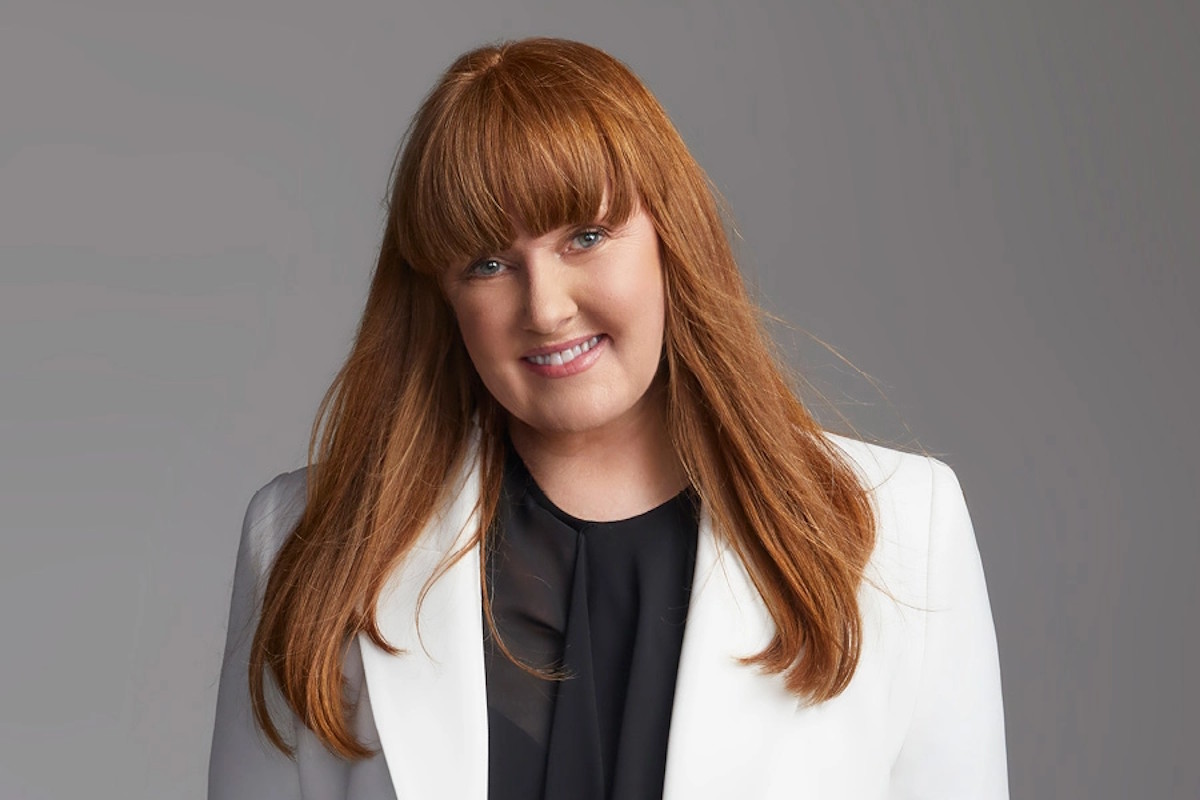
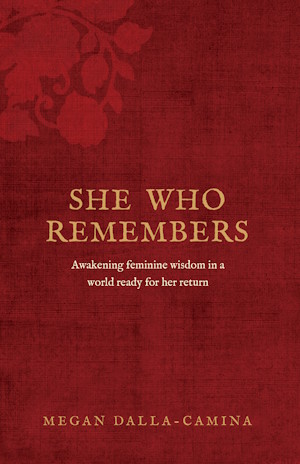
What I’m seeing in my work as an author and speaker, and in my conversations with women across both leadership and creative spaces, is not women walking away from their work, but women becoming more discerning about how they do it.
This is less about stepping out and more about clearing space, whether clearing the constant pressure to be ‘on’, or clearing the expectation that everything must be shared or monetised, or clearing the idea that momentum always has to look like more.
For many women, especially those moving through midlife or coming out of burnout, this becomes a moment of reassessment – not just of their work but of how they are living alongside it.
What actually matters here? What kind of pace can I sustain? What do I want my work to feel like, and not just what do I want it to achieve?
These are not small questions and they don’t always lead to neat answers, but they do change the way that women engage with their creative lives.
One of the most significant shifts I’m noticing is a move away from constant production. It’s not because women have less to say but rather because they are becoming more intentional about when and how they say it.
ArtsHub: Makers are not factories, so stop treating us like one
Creativity doesn’t move in a straight line. It never has. There are periods of output and there are periods of incubation; there are times when the work flows easily and times when it requires stillness, space or distance.
When everything is geared toward continuous visibility, those quieter phases get squeezed out. And yet, they are often where the depth comes from. I hear this often from women in the arts. They are producing, delivering, showing up – and yet feel increasingly disconnected from their own work.
It’s not because they’ve lost their ability, but because they’ve lost the conditions that allow that work to emerge in a more grounded way. So they begin, slowly, to change those conditions. They produce less, but with more care. They take longer between projects. They become more selective about what they say yes to.
Putting this shift into practice
From the outside, this can look like a loss of momentum. From the inside, it often feels like a return to something more honest.
There is also a growing fatigue with the idea that we need to constantly reinvent ourselves. In creative industries, reinvention is often framed as growth or as evolution. It’s seen as necessary to staying relevant. But over time, it can start to feel like another layer of performance.
What I’m seeing instead is a quieter shift back toward what feels true and sustainable over the long term. I think of a writer I’ve worked with who chose to step away from constant publishing deadlines after years of producing at pace. She now releases work far less frequently but with a depth and clarity that wasn’t possible before.
Another artist stopped sharing every stage of her process online after realising that the pressure to be visible was shaping the work itself. She now keeps much of her practice private until it’s ready and describes feeling more connected to what she’s creating.
These are not dramatic decisions but they reflect a deeper recalibration in how women are choosing to work. Alongside this, there is also a shift toward practices that support this kind of work, such as setting time away from devices, seeking moments of stillness before beginning work, or simply paying attention to energy, rather than overriding it.
They may not be major interventions but they matter because they begin to rebuild the conditions for creativity, and a relationship to creative work that is not solely driven by output.
Less noise, more clarity
In the arts, this shift is significant. If more women begin to refuse ways of working that rely on overextension, constant visibility and unpaid emotional labour, then the structure of the work itself will start to change.
We may see fewer projects but more considered ones; less noise, but more clarity. It may result in a different relationship to time, to process, and to what we value – and perhaps a broader definition of success. Not just who is most visible, or most prolific, but whose work is sustained, grounded and able to endure.
For individual artists and creatives, this doesn’t require a dramatic exit or reinvention. It can begin in smaller ways such as protecting time that is not immediately productive, allowing work to develop before it is shared and being more honest about what is actually sustainable.
It can also mean asking ourselves, more often than we currently do, is the way I am working something I can continue? And even more honestly, do I want to?
What women are choosing instead of ‘lean in’ is not a single alternative model. It is a quieter, more deliberate reorientation: a willingness to step out of constant performance and back into a relationship with their work that feels more real. Not less ambitious. But more self-directed. In the long term, that may be what allows both the work – and the women creating it – to last.