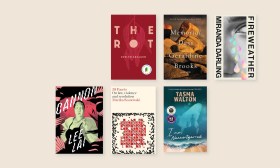

In 2008, UNESCO recognised Melbourne as a City of Literature, the second city to be awarded with the title after Edinburgh. With that feather in our cap, Melburnians graduated from merely ‘smug’ to ‘insufferable.’ (I’m just kidding. We’d never wear feathers in Melbourne. Too colourful.)
Lately, though, Melbourne writers, publishers, booksellers and readers might be wondering just how much the City of Literature title really means to the people who run the place.
The future of the City of Literature – quick links
What’s happening in Melbourne, City of Literature
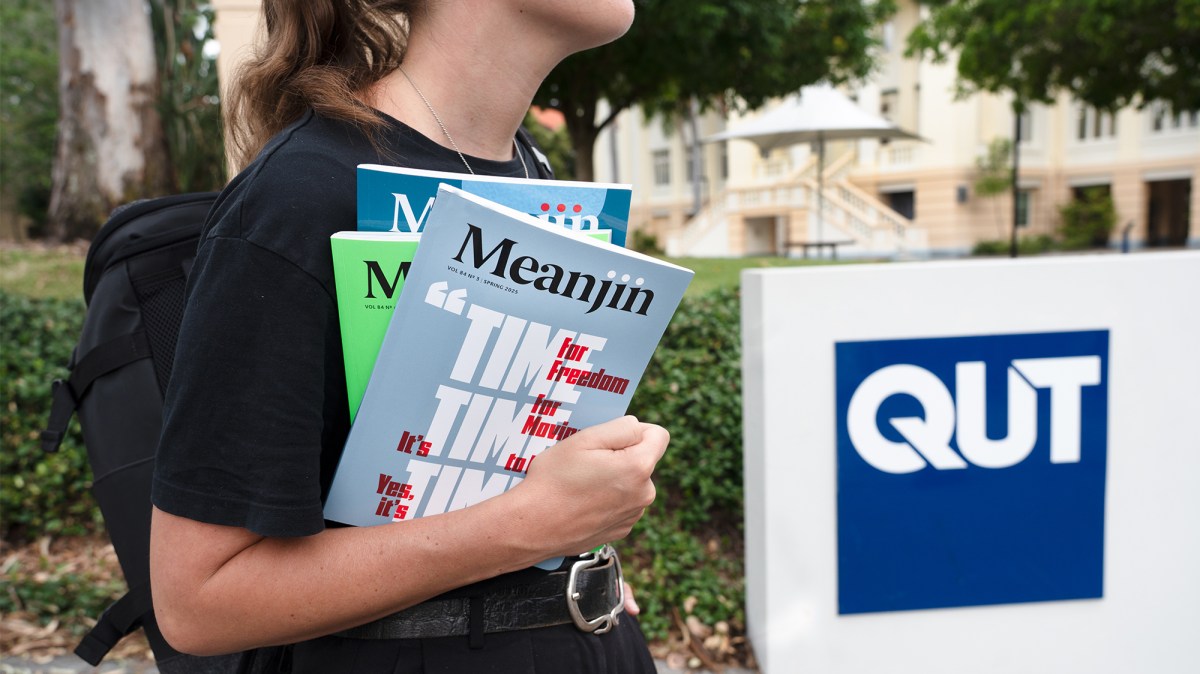
First, Melbourne University Press shuttered the nation’s premier literary journal Meanjin, leaving it in limbo over the summer before finally handing it over to Queensland University of Technology (a sort of homecoming to Meanjin/Brisbane, at least).
Then, swingeing cuts to the state’s arts budget led to a slew of shocking announcements. Among these was the news that Writers Victoria, founded 37 years ago, has lost all its government funding – a very modest $150,000 per annum – and is facing imminent closure. That would make Victoria the only mainland state to lack its own government-funded writer’s organisation.
ArtsHub: Is the creative state crumbling? Defunded arts organisations fear the answer is yes
At a time when writers were already dealing with low pay and declining revenues, and writer’s festivals across the country find themselves caught up in political controversy, the loss of Writers Victoria in particular is likely to do real harm to the city’s literary community.
All of this raises a very uncomfortable question: could Melbourne lose its official designation as a City of Literature? Should it?
Earning a City of Literature designation
To date, UNESCO has now recognised 53 Cities of Literature (part of its Creative Cities Network). Hobart was recognised in 2023, taking Australia’s tally to two.
In some ways, Melbourne might seem an odd fit compared to some of its fellow Cities of Literature. In Dublin, you can do walking tours based on James Joyce’s modernist behemoth Ulysses, or raise a pint of Guinness in the novel’s honour on Bloomsday. Edinburgh seems to have a statue of a writer or a literature-related pub or historical blue plaque on every street corner.
In Melbourne? Yes, you can do a literary walk here too. But there’s no Monkey Grip tourist trail, no Gerald Murnane-themed pubs, no festivals where we all dress up as characters from the Fitzroy chapter of He Died With A Falafel In His Hand.
Our literary heritage just isn’t as visible in the fabric of Melbourne – sorry, excuse me one moment [Siri, take a note: walking tour where I charge people $30 a head to visit places mentioned in the lyrics to Happy Birthday Helen] – so as I was saying, Melbourne might seem to be the odd one out.
Does Melbourne still have what it takes?
Yet Melbourne did, and does, meet the criteria for City of Literature status: having active publishing, literary education and bookselling sectors; maintaining a calendar of literary festivals and events; and book-based infrastructure like bookstores and libraries.
We may lack visible literary cues like blue plaques, but there’s no shortage of living, working writers here. (If you live in the inner north, after a while you stop saying ‘I saw Christos Tsiolkas in the street today’. That’s just how it is in this town: you step outside, and there’s the guy who wrote The Slap.)
What is visible in Melbourne are certain key institutions, some of which were a large part of the reason for Melbourne being awarded City of Literature status in the first place: the Melbourne Writer’s Festival, the Wheeler Centre and – most visible of all – the State Library of Victoria.
And therein lies an instructive parallel.
Ruckus! At The Library
At the same time as Writers Victoria is having its budget obliterated, the state library finds itself at the centre of an unholy row over its direction and identity. Following staff and community outrage, SLV management had to walk back a plan that would have seen library reference staff cut, along with computer access.
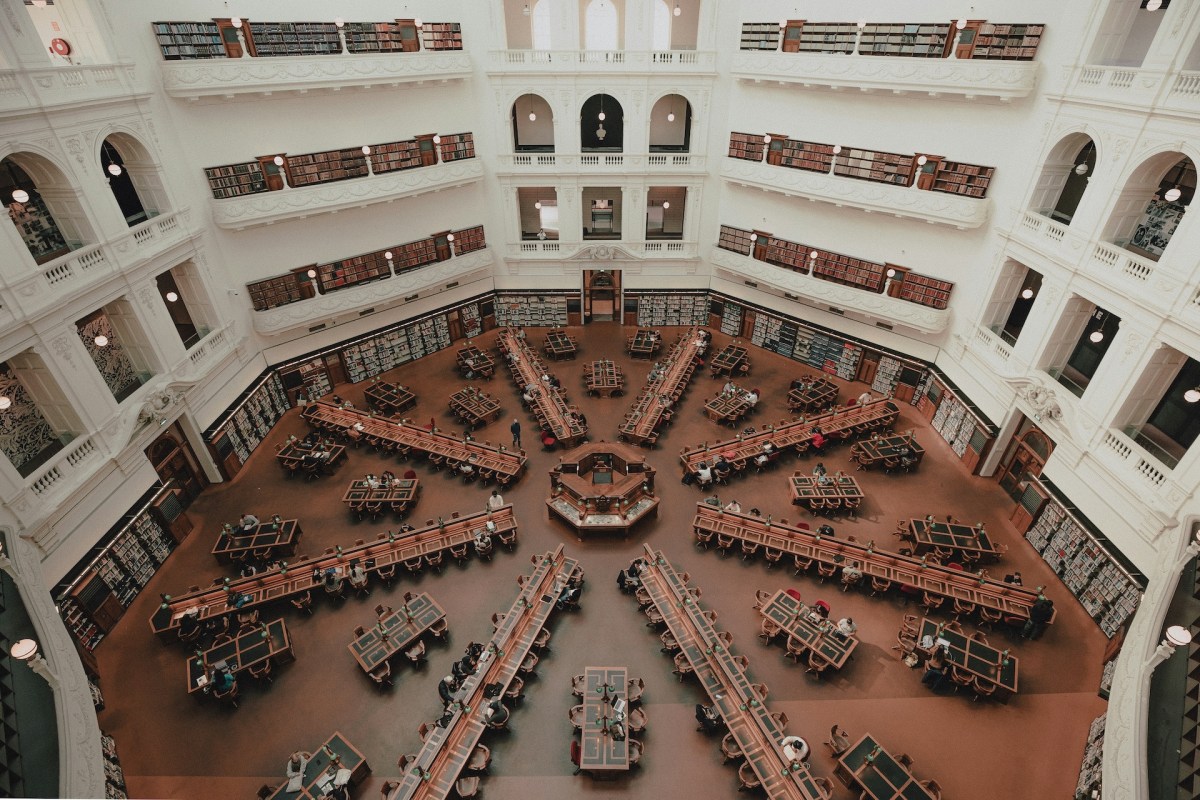
Apart from resourcing and governance, staff and supporters claimed the people in charge have become too removed from what it is to run a library, and too focused on flashy visitor ‘experiences’ instead the institution’s core mission. Writers were among the loudest critical voices, with Helen Garner accusing management of trying to turn SLV into ‘party central’.
On one level, the Writers Victoria cuts and the ructions at SLV might seem like separate issues (though both ultimately fall under the auspices of Creative Victoria). Yet there’s a lesson here for the custodians of any city’s literary heritage.
ArtsHub: Victoria’s Creative Industries Minister responds to arts funding debate
SLV is, undeniably, gorgeous; the sight of La Trobe Reading Room and its dome simply never gets old. But in a way, the state library is almost too beautiful for its own good. The charge levelled against its management is, in effect, that they’ve started thinking of the place as a sort of gallery or museum rather than a working collection.
Living heritage or literary museum?
A library that is reduced to a museum has lost its inherent function. Likewise, the City of Literature designation shouldn’t turn a city into a sort of literary museum, a celebration of past glories now preserved under glass or atop marble plinths. It needs to reflect a commitment that’s as much forward-directed as backward. Cities of Literature ought to be as much about the books that are not yet written as the ones that already are.
The Melbourne City of Literature Office gets this. But does the Victorian government?
UNESCO has never rescinded a City of Literature designation, and doing so would certainly be a nuclear option. But member cities must submit a report every four years to explain how they’re maintaining their status. If Writer’s Victoria closes, that could make for some very awkward paperwork come 2028.
It’s dire times for writers, and losing City of Literature status would no doubt make things worse. Here’s hoping the thought alone might spur the Victorian Government to start treating its community of letters with more respect.