When Cyclone Alfred was declared on 1 March 2025, it wasn’t just hatches that needed battening down, stages did too. More than 40 gigs, festivals and events were cancelled or postponed in Queensland and northern New South Wales over the days that followed.
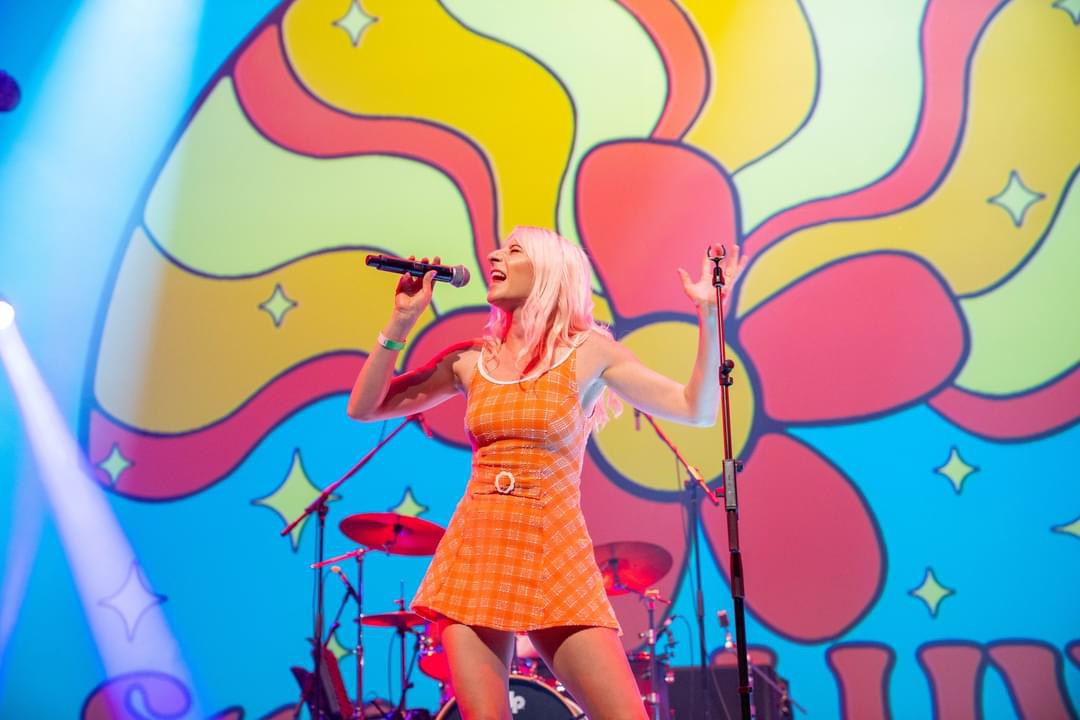
‘I’ve lost heaps of gigs,’ says Sunny Luwe. An independent musician, Luwe has had more than a dozen performances cancelled in QLD and NSW due to extreme weather over the past three years.
The Bureau of Meteorology defines extreme climate events as ‘heat waves, cold snaps, floods and dry spells’ that have significant impacts on society.
When it comes to cancelling shows, what is extreme weather in one part of the country may not be considered unusual in another. In Queensland and northern NSW, increased cyclone activity and flash flooding are recent triggers that have led to cancellations.
The impact of extreme weather – quick links
What happens to artists when events are cancelled?
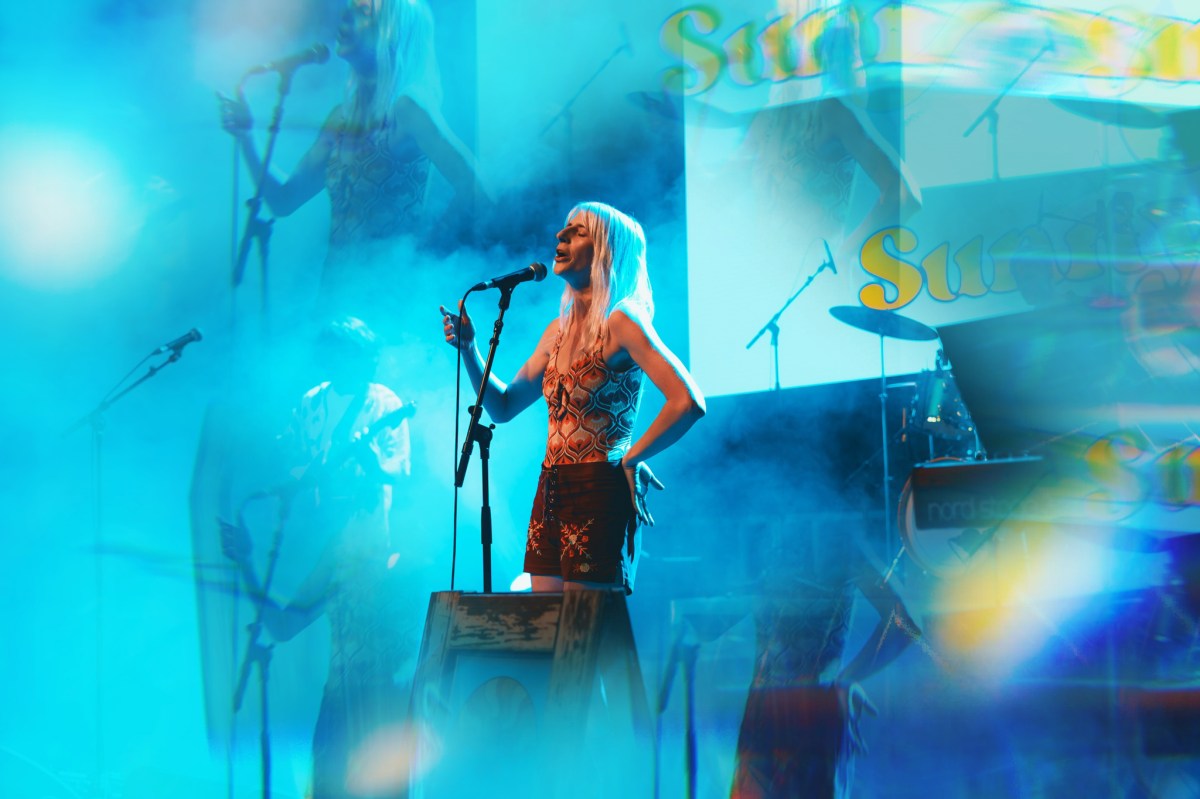
‘A lot of contracts I’ve signed, even with government bodies, have had the proviso that if it’s canceled within a 24-hour period of the event, you will get paid,’ Luwe says. ‘But it’s usually canceled outside of that 24-hour period.’
The distinction matters. For artists like Luwe, who operate as sole traders, cancellations outside that window often mean no payment at all.
‘I’m a small business owner and operator. I didn’t get paid for any of those [Cyclone Alfred cancelled events]. I also supplement my business with part-time and casual work. During Cyclone Alfred, that all got canceled as well.’
Brisbane alone copped a whopping 275.2mm of rain in a single day in March, more than the average rainfall for the entire month the year before. Homes were destroyed, families displaced and entire communities pushed into recovery mode.
Despite the professional and financial impact, Luwe was ‘just grateful I was safe.’
Arts venues and festivals must make tough decisions
Queensland Performing Arts Centre was among hundreds of venues affected, forced to shut down as conditions worsened.
A QPAC spokesperson confirms, ‘We cancelled several performances across our four theatres including Sister Act, Opera Queensland’s La Cenerentola, Is That You, Ruthie? and Queensland Theatre’s Pride and Prejudice. We worked closely with the arts companies to minimise the impacts as best we could, including reseating patrons when possible.’
As the arts sector continues to recover from the aftershocks of Covid, the cost-of-living crisis and the climate crisis are now adding new layers of uncertainty to an already fragile ecosystem.
The official tropical cyclone season in Australia runs from 1 November to 30 April, bringing a heightened risk of severe storms over what is also the peak period for outdoor and regional events.
Queensland Music Trails’ The Long Sunset festival was set to take over Boonah on the first weekend of November 2025, only to be cancelled on day one of the festival due to ‘dangerous and destructive weather.’ There was no option to postpone.
Daryl Raven, Queensland Music Festival CEO, says, ‘We aim to minimise the risk posed by extreme weather while still delivering an experience that uplifts regional Queensland communities and visitors. However, sometimes even the most careful planning and meticulous risk mitigation are no match for the elements.’
These disruptions are no longer rare. Green Music Australia recently surveyed 1,155 festival-goers across four states, finding that 85% had experienced what they considered extreme weather – floods, bushfires, heatwaves and storms – at a music festival in the past 12 months. In Queensland, that figure rose to 87%.
This year, the Bureau of Meteorology has predicted that rainfall between December and February is likely to be below average for large parts of inland Queensland but above average in parts of eastern and far northern Queensland.
Records show at least one tropical cyclone makes landfall in Australia each wet season, yet individual tropical cyclones cannot be predicted more than seven days in advance. For event organisers, that uncertainty complicates everything from site selection to insurance to emergency response planning.
Music festivals are traditionally held in regional areas, where large open spaces are available and communities benefit economically and culturally from visitors. Yet these same areas are increasingly vulnerable to bushfires and floods. There is growing concern that more festivals may disappear altogether due to a lack of stability and escalating costs.
How is the arts sector planning for cyclones and extreme weather?
The Queensland Government, through Arts Queensland, provides core funding to more than 80 arts organisations and arts centres, as well as hundreds of events and festivals from the Torres Strait to the Gold Coast.
The Queensland Government aims to offer flexibility in funding agreements for funding recipients whose organisations and events are impacted by severe weather and natural disasters, including consideration of rescheduling or cancelling events.
Government supported organisations like QPAC have dedicated on-site emergency services teams and bi-monthly planning meetings to ensure a unified emergency response across Brisbane’s Queensland Cultural Centre.
For artists like Sunny Luwe, a ‘unified emergency response’ means regularly connecting with other independent artists, or ‘colleagues’ as she calls them, to share experiences and put actions in place to tackle these new challenges.
‘As hard as it’s been witnessing these disasters [Cyclone Alfred in 2025 and eastern Australian floods in 2022], it’s been really beautiful seeing people come together and care for one another,’ she says.
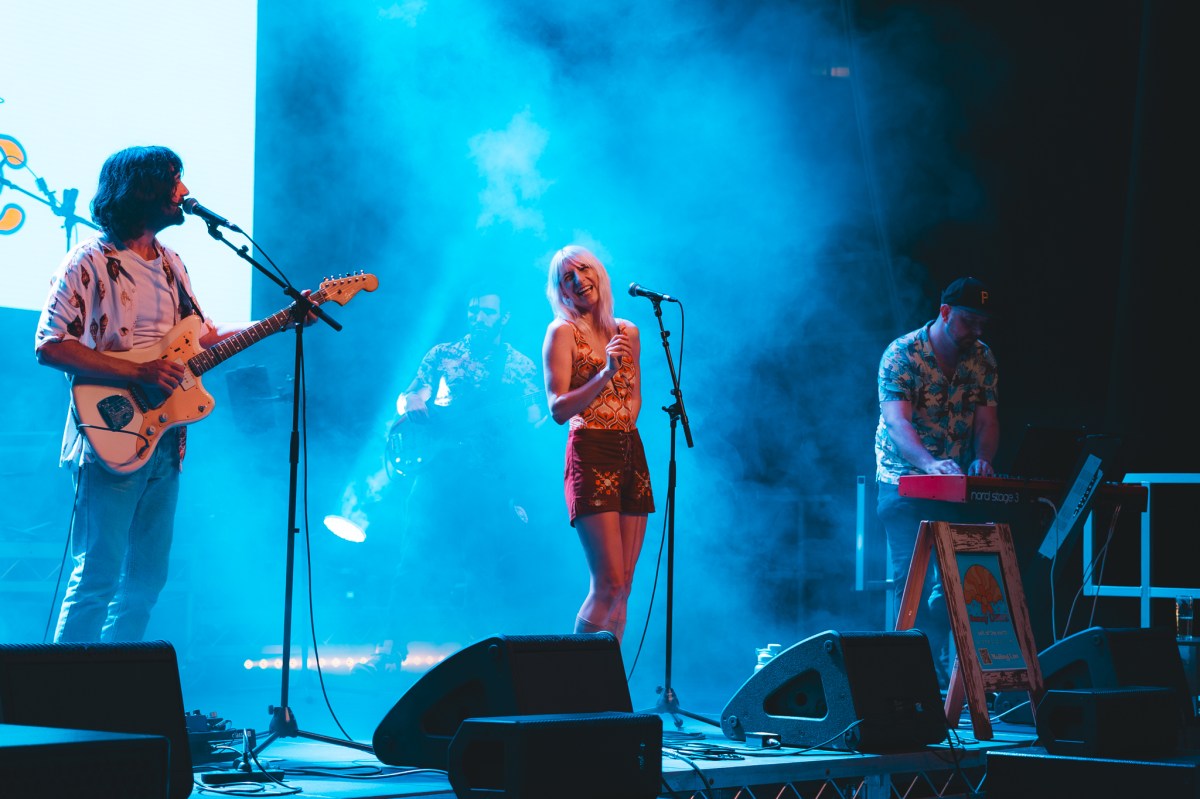
That spirit informs Luwe’s songwriting. Her track We’ve Got The Power, written after attending the Bob Brown Foundation’s Rally for Rainforests, earned her a place as a finalist in the 2025 Environmental Music Prize. She sees art as both service and call to action.
‘I think we’ll see festivals and gigs become smaller and more community-focused,’ she says. ‘That can actually encourage better environmental practices.’
Artists and audiences alike are stepping in where systems fall short. For Luwe, giving back is non-negotiable, and it doesn’t have to be a grand gesture. ‘If you have the financial capacity, support your local community,’ she says.
That includes supporting artists. Beyond tickets, Luwe suggests buying local art, music or merchandise, and if you’re refunded for a cancelled event, consider donating your ticket price to a local artist who may have lost income, or to a charity supporting recovery efforts in your community.
No matter how thorough the planning, weather remains unpredictable. What is certain is the resilience of artists and their desire to keep creating and performing, wherever and however they can.
Luwe urges audiences and industry alike to advocate for long-term solutions not just for a sustainable arts sector, but a sustainable future. ‘When I become a mum and my kid asks me about these times,’ Luwe says, ‘I want to be able to say I did the best I could.’
This article is published as part of ArtsHub’s Creative Journalism Fellowship, an initiative supported by the NSW Government through Create NSW.