In 1999, as the introduction of GST loomed and work became unpredictable, consultants Fiona Boyd and David Eedle, sitting on a beach at South Molle Island in Queensland, asked themselves how their skills could better serve the Australian arts sector.
Boyd recalls watching work dry up as councils paused projects due to uncertainty. ‘This consulting income is just too lumpy,’ she told Eedle. What followed was a simple idea that grew quickly into a movement.
At the time, Eedle was already well regarded as someone who could connect the dots for arts organisations needing to fill job vacancies. His phone rang constantly with requests from across the country, such as: I need a stage manager for an eight week show at Araluen Arts Centre in Alice Springs. Got anyone up your sleeve?
Eedle did these referrals for free, a quiet form of sector care that would soon inspire something far bigger.
ArtsHub was born from the notion that the fragmented sector needed a way to centrally connect. Its earliest service was a jobs bulletin compiled from weekend newspapers, assembled every Sunday afternoon at the founders’ kitchen table.
Boyd and Eedle spent hours cutting out ads, typing them and sending the jobs bulletin to a growing email list – a list that eventually climbed into the thousands. Today, ArtsHub‘s jobs newsletter is read by more than 38,000 subscribers.
Some early supporters recognised its value immediately. One day, someone alerted Eedle that the Melbourne Theatre Company (MTC) was printing the jobs bulletin and pinning it to its foyer noticeboard.
‘Hang on, I think we might need to send them a corporate subscription bill,’ he joked. MTC became one of ArtsHub’s first organisation members and remains a long-term supporter and organisation member of ArtsHub.
The bulletin soon developed. Boyd’s background at ABC news radio made her determined to push essential information through the sector more quickly.
She commissioned arts workers and industry luminaries to write issue-based articles and opinions and shaped these into consistent, reliable reporting. Her intention was not simply to inform but to help the sector see itself. That vision later played a crucial part in a landmark national policy shift.
ArtsHub: central to the sector
When Rupert Myer undertook the Independent Inquiry into the Contemporary Visual Arts and Crafts Sector, he used ArtsHub to reach the arts sector around the country.
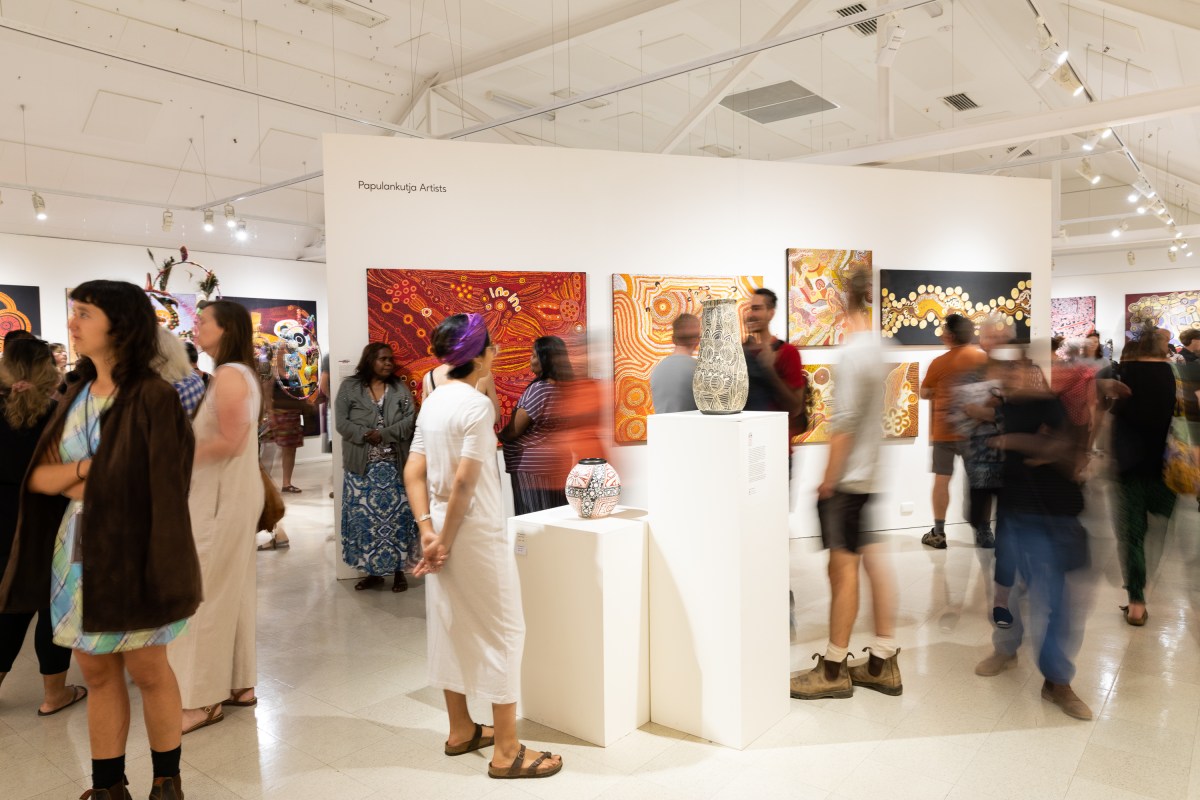
‘He used ArtsHub as his mechanism to get people across the country to sit down and talk with him,’ Boyd remembers. The resulting document became the foundation of the Visual Arts and Craft Strategy (VACS), a joint initiative of state, territory and federal governments that delivered millions of dollars of additional funding to visual arts organisations across Australia.
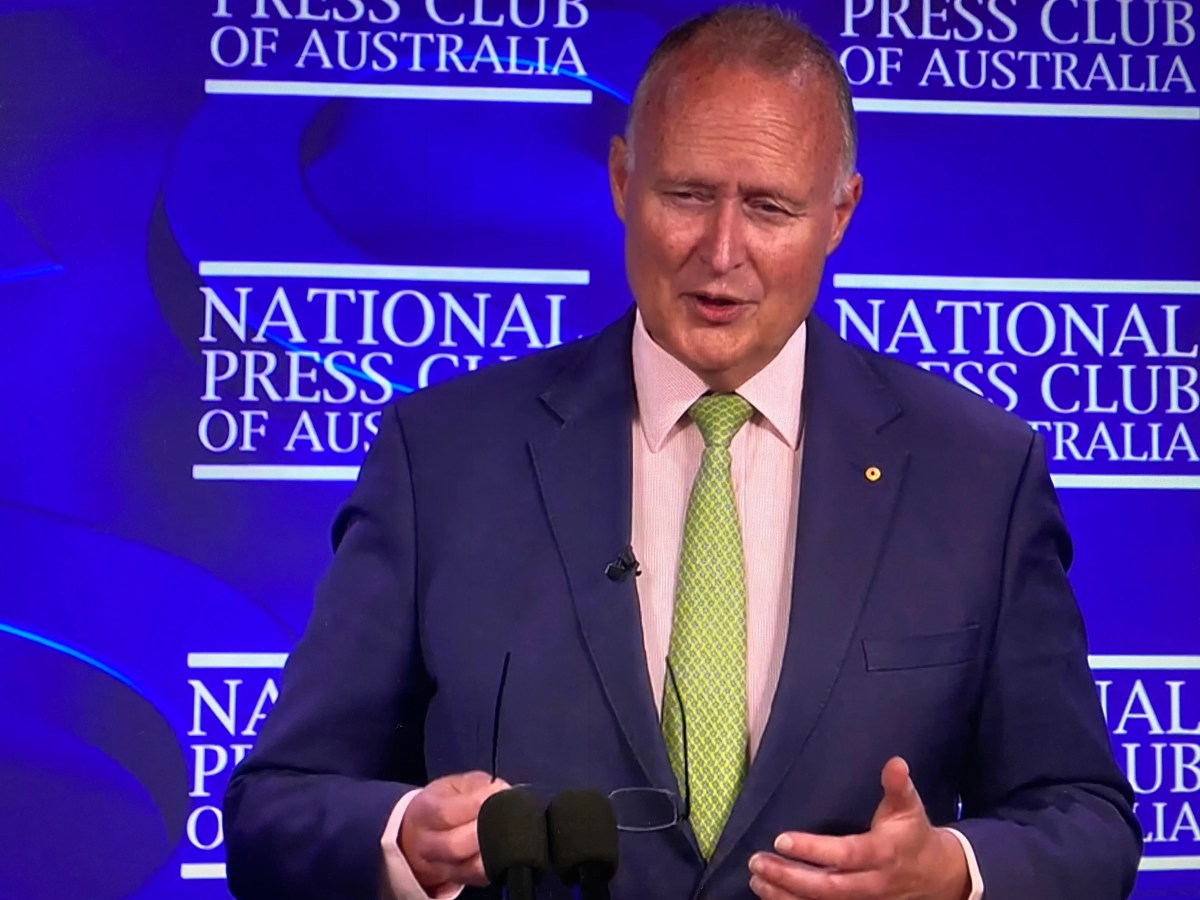
Read More: Rupert Myer calls for a Ministerial Council for the Arts (Archive 2023)
ArtsHub’s content subscription model was another pioneering revolution. When it launched its paid membership in November 2000, sceptics insisted readers would never pay for online content. Within 12 weeks, 950 people had subscribed.
This was years before major publishers followed suit: The Australian introduced its paywall in 2011 and The Age and The Sydney Morning Herald adopted theirs in 2013.
ArtsHub had already proven that the arts community valued independent reporting enough to support it directly, a support that has endured and grown to thousands of paid members from students, artists and organisations in the decades since.
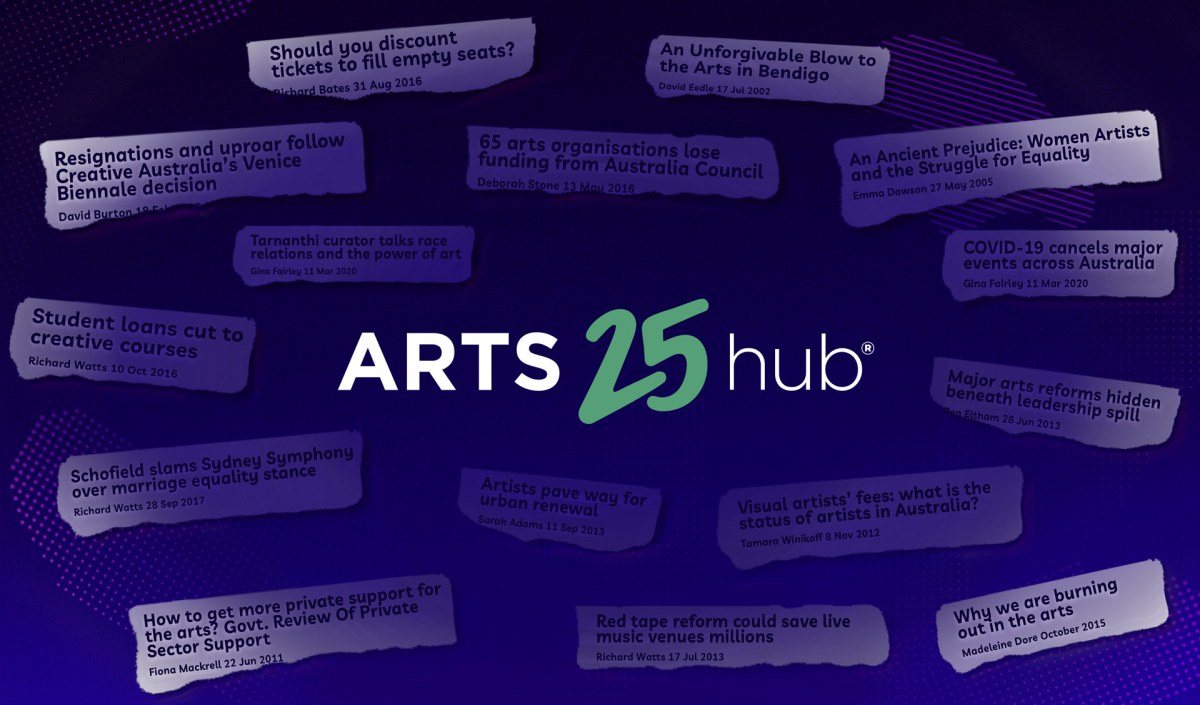
From a cut-and-paste newsletter in a suburban lounge room to a national publication that unifies and gives voice to a once famously fragmented industry, ArtsHub’s legacy is anchored in support, persistence and belief in the sector it serves. Its founders built it from the ground up, its members sustained it and its contributors shaped the voice of an industry that continues to evolve.
As ArtsHub marks its 25th year, CEO Sol Wise has reflected on its place in today’s media landscape. Speaking to B&T, he recently said:
‘We are proud to have provided trusted arts news and commentary for the past 25 years, especially at a time when the wider media industry is facing widespread job cuts. Our commitment to independent arts journalism remains as strong as ever.’
Read More: The most read ArtsHub stories of the decade (2010-2019)