Monet to Matisse: Defying Tradition presents a spectacular collection of great artworks loaned by the Toledo Museum of Art, alongside works from the Art Gallery of South Australia’s own collection. It is unquestionably a five-star exhibition, arriving in Adelaide as an Australian exclusive and an impressive opener to the new AGSA Winter Series.
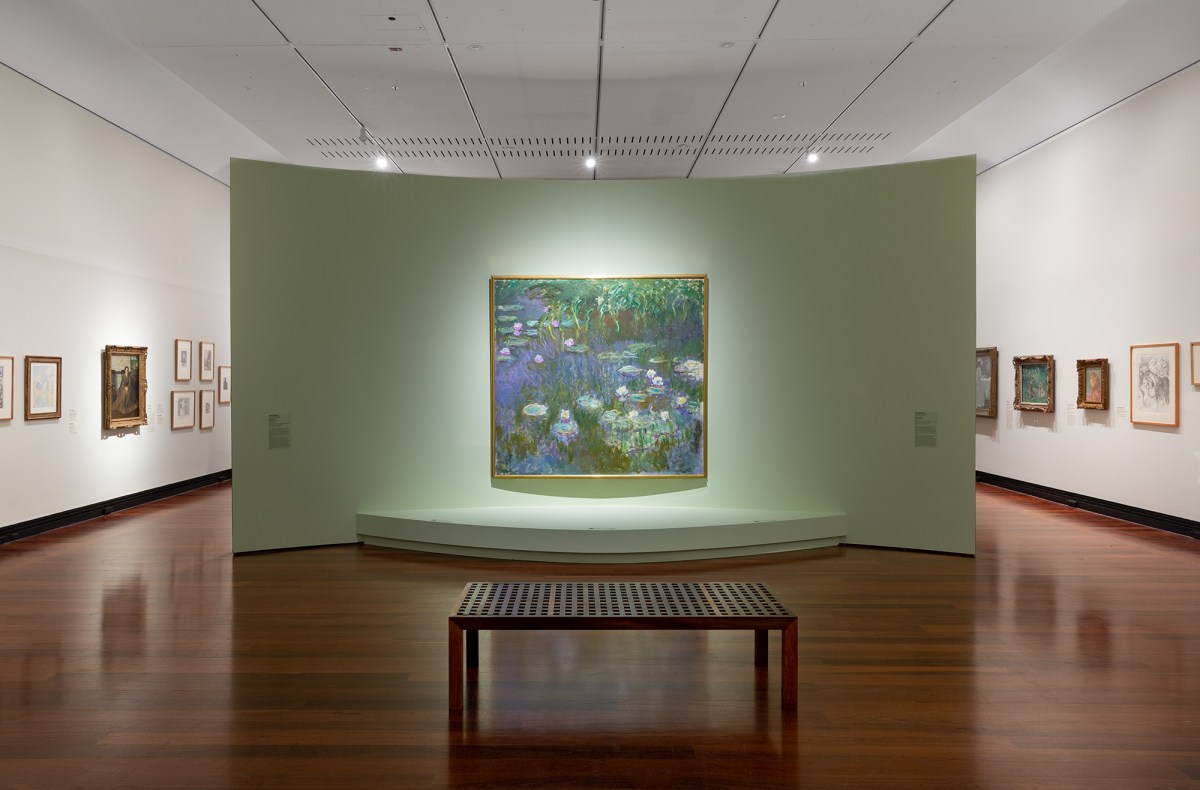
As the title Monet to Matisse suggests, there are works here by some of art’s biggest names – and Claude Monet’s iconic Water Lilies from his famed garden in Giverny, one of many the artist painted, is the star of the show. It hangs alone on a wall, as it should, in need of no adornment.
Monet to Matisse review – quick links
Iconic European artists
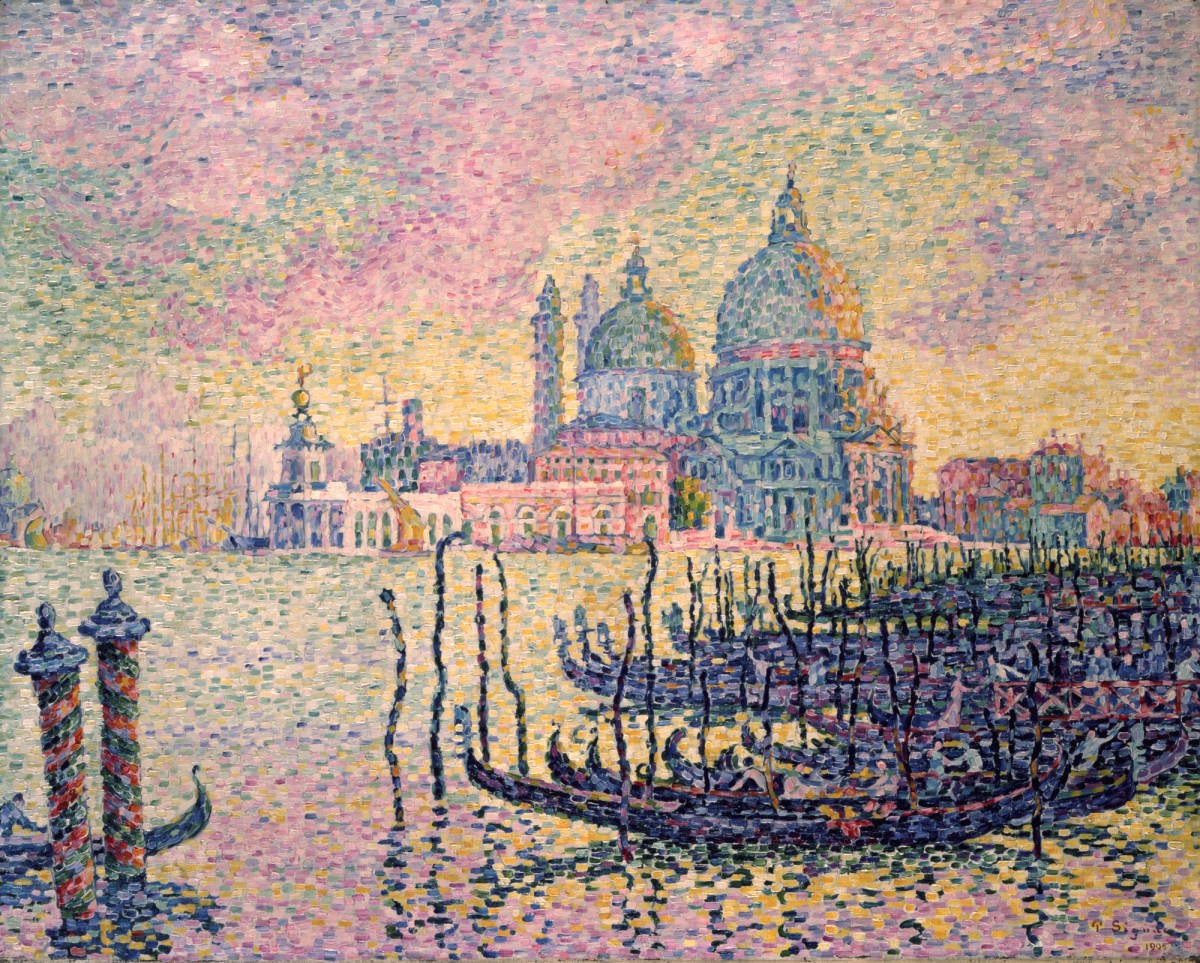
Paul Signac’s pointillist work Entrance to the Grand Canal, Venice bathes Venice in a gentle light of pink and yellow hues. Its power lies in its fundamental ability to make us question how we see.
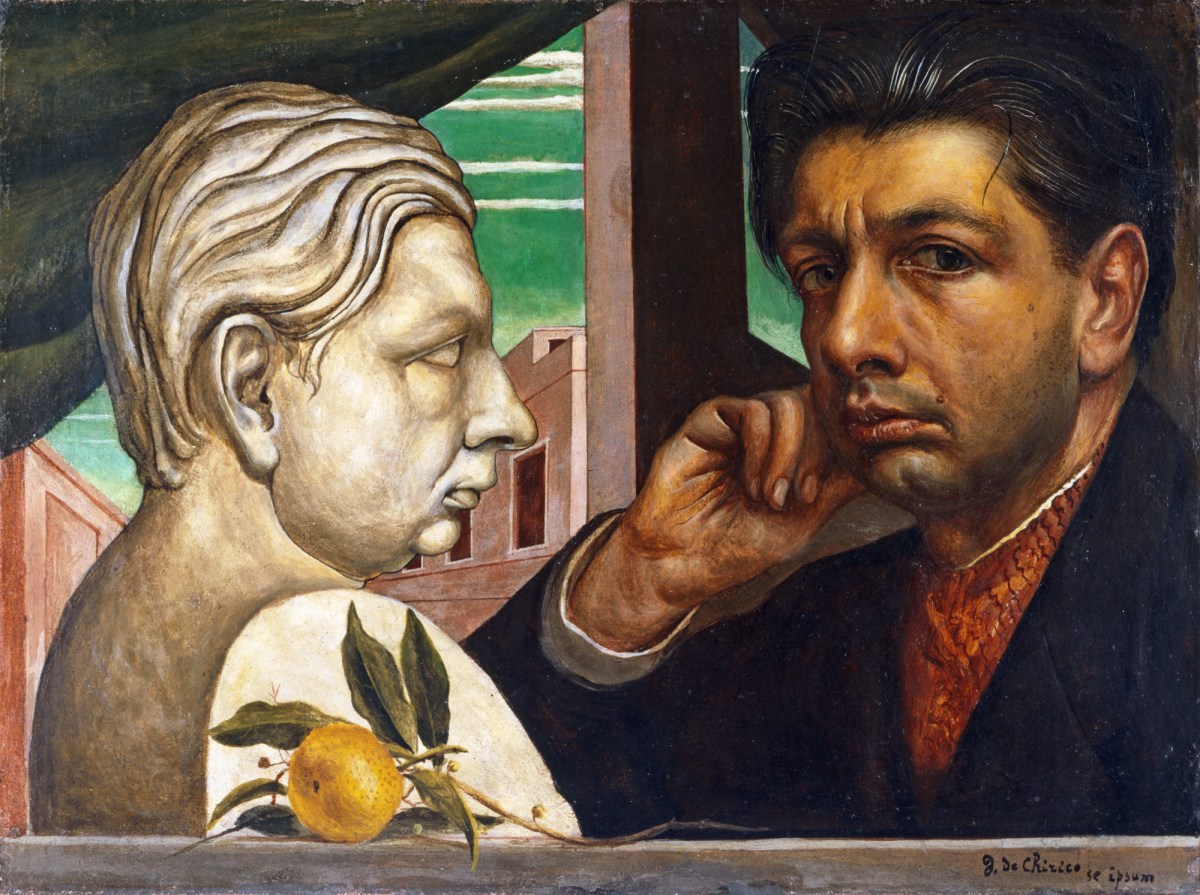
The evocative Self-portrait by Giorgio de Chirico, from 1922, shows the artist alongside a marble bust of his own likeness. There’s also his oil on canvas Piazza d’Italia, a work from some thirty years later, from the AGSA Collection. This surrealist work is a highly Freudian composition that demands personal interpretation.
As one of the headline artists, there are a number of stunning works here by Henri Matisse too. Two of these are lithographs, Resting Model and Standing Dancer, both owned by AGSA. They are in the tradition of observational drawing from life and make a meaningful contrast with his bolder, more colourful works, such as Le cauchemar de l’elephant blanc (The nightmare of the white elephant) from his 1947 portfolio Jazz.
Masterworks and smaller treasures
It would be easy here to just go from masterwork to masterwork, and even that would be worth the ticket price, but that would be to miss many smaller treasures. A lot of these are from AGSA’s own collection and speak to the strength of their collecting and curation over many years.
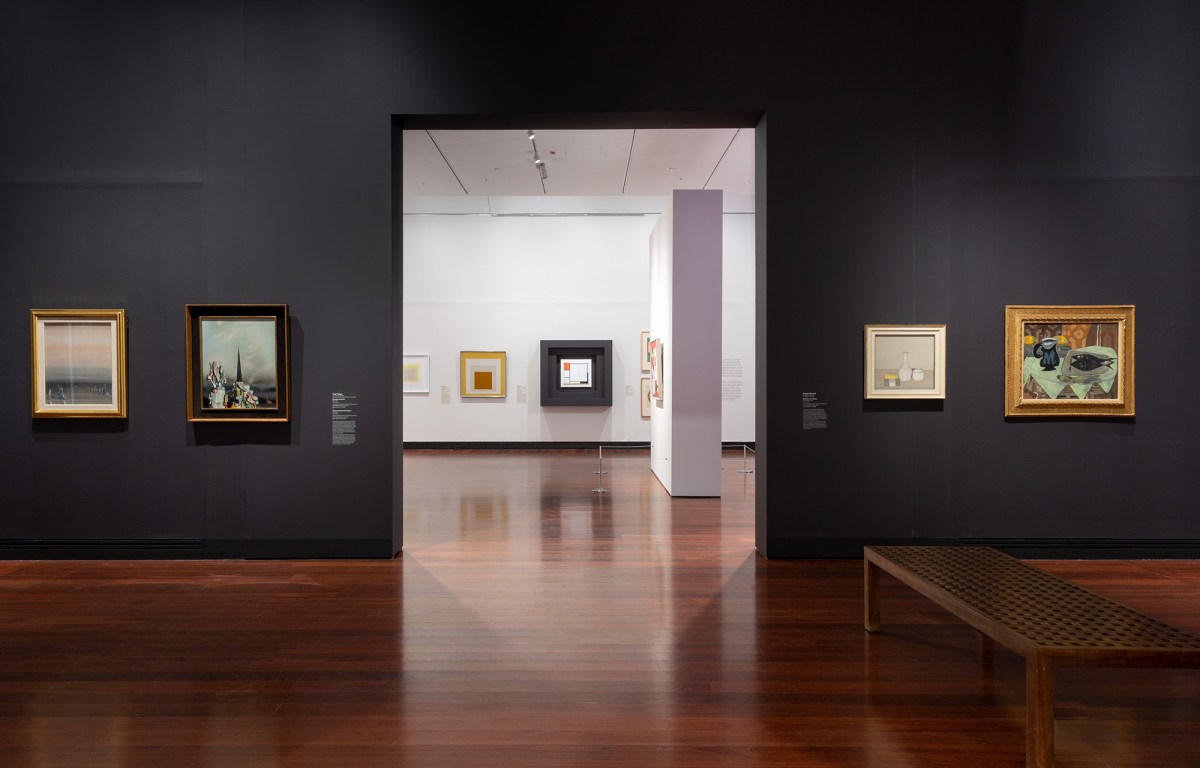
It’s fashionable in art at the moment that everything is writ large, with vast works leaping off the wall. One of the particular pleasures of this exhibition is that many of the inclusions are smaller pieces. This affords a special intimacy that asks you to pause and take a closer look.
There’s a contemplative French seascape by James Abbott McNeill Whistler, Crepuscule in Opal, Trouville, showing a warm grey twilight over the beach. Another small work that asks for attention is Women at the river, a woodcut by Paul Gauguin. This work, and his Fragrant Scent, stand in contrast to Street in Tahiti, a big, bold and colourful painting in his more typical style.
A vast curatorial task
Monet to Matisse is arranged thematically, with the seven sections beginning with Painting en Plein Air and moving through Figures of Modern Life, Re-envisioning the World, New Perspectives on the Human Figure, Pure Abstraction and Reimaging the Familiar, before ending with Figuration and Abstraction.
Each section is prefaced with a thoughtful introduction but, even so, there are works that seem to sit awkwardly on the wall, as if shoehorned into place.
This, combined with the somewhat misleading title of the show, diminishes the otherwise thoughtful curation. ‘Monet to Matisse’ does not describe the time period covered by these works – with the most recent work being Richard Diebenkorn’s Ocean Park No. 32 (1970) – or, indeed, the range of styles. Similarly, ‘defying tradition’ seems problematic given the works on display. But these are mere quibbles in the face an excellent exhibition.