Australia has a dynamic and rapidly evolving public art scene and there are already many organisations and government bodies commissioning work that champions the talent of d/Deaf and disabled artists.
These projects are now sparking new conversations about the design of our urban environments, and how commissioning the work of artists who access, perceive and experience the world differently can make public spaces more creative and accessible.
Redesigning Australian public art – quick links
How d/Deaf and disabled artists are connecting community
Brisbane City Council commissions artists to transform laneways, streets and car parks. As part of this Outdoor Gallery program, the council called for expressions of interest from artists with disabilities to curate an exhibition for outdoor spaces.
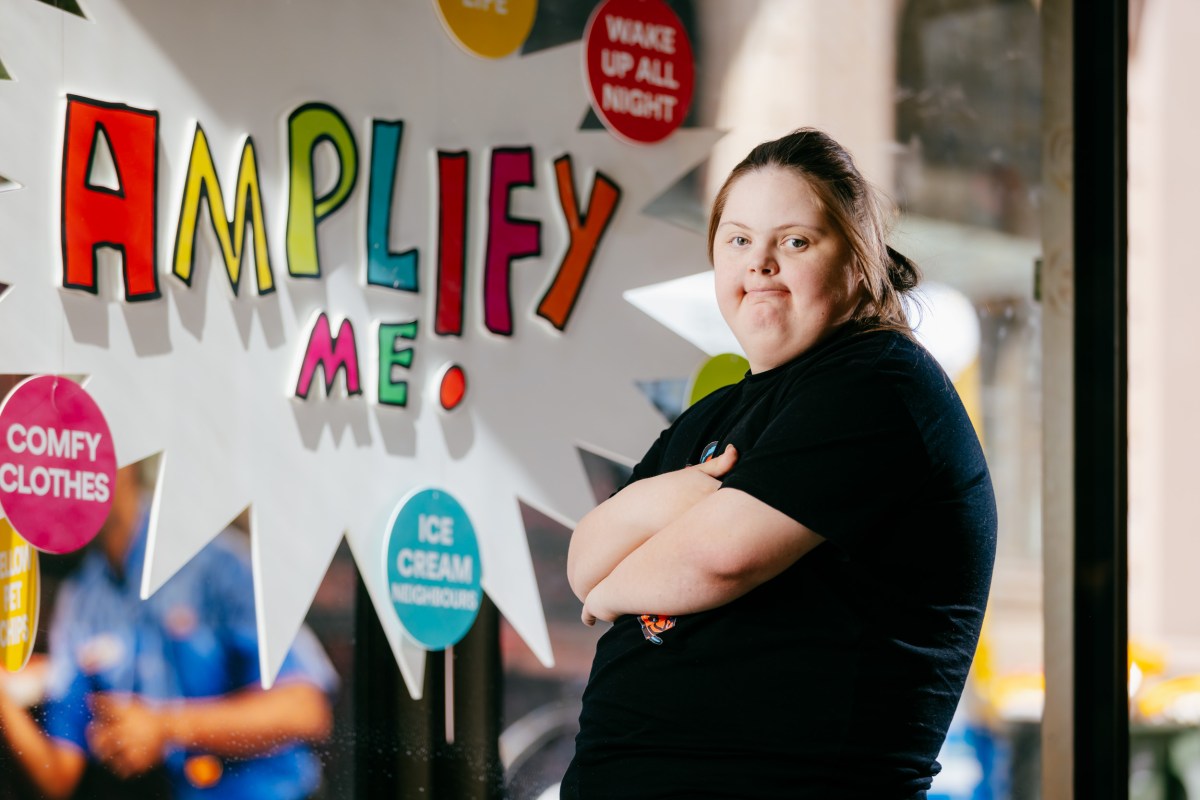
Building on her practice of what she calls ‘expanded listening’, Nicole Crosswell collaborated with her network of local artists with disabilities to develop AMPLIFY ME! Working collectively, the group chose the works that would feature in the exhibition, decided where they would appear across the CBD and articulated what they wanted to say to audiences.
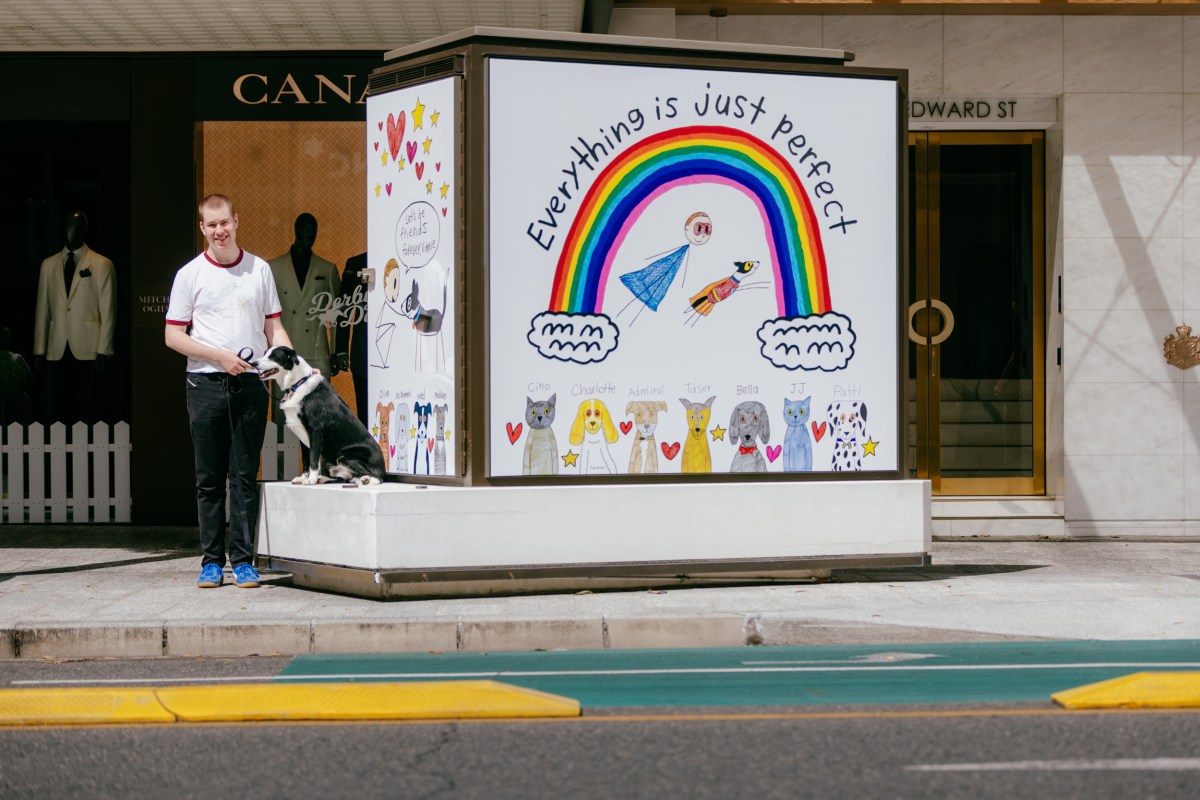
The result is a series of bold, joyful and disarmingly direct light boxes, banners, vitrines and digital screens installed throughout the city. If you walk to Edward Street and Elizabeth Street in the Brisbane CBD, you will be greeted by Marcus Nunn’s image of a rainbow lit up by the words ‘Everything is just perfect’.
Speaking of the public response, Crosswell said: ‘We had a drawing workshop at the Museum of Brisbane. A woman who works close by in the city made the effort of tracking down Marcus at the workshop. She burst into tears and just said to me, please tell me it’s up for a long time.’
Accessible showcases, public audiences and industry recognition.
Beyond its immediate visual and emotional impact, the Brisbane exhibition has already started to amplify the artists’ careers. The group has just had work exhibited in an exhibition at Brisbane’s Side Gallery, and artist Ella Doyle’s animation Teresa The Tasmanian Tiger was featured at Brisbane’s World Science Festival.
In recognition of AMPLIFY ME’s joyful and accessible transformation of public space, the exhibition’s initial six-month run has been extended to 12 months, until October 2026. The locations, artists and public programs are online for those wishing to plan their visit.
Centring access, inclusion and joy.
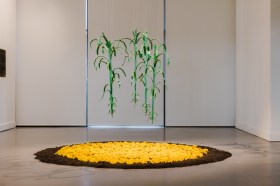
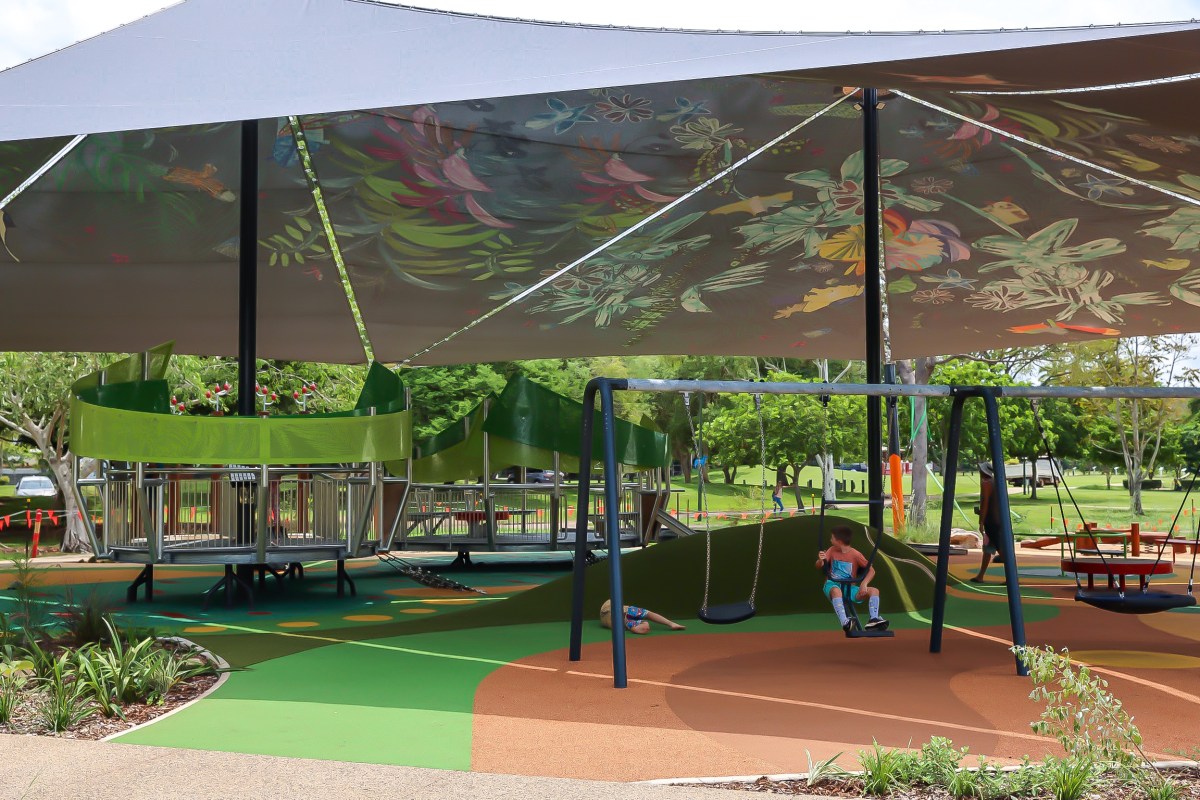
The City of Darwin also commissions public art that celebrates the community’s creative energy and cultural diversity, and the Traditional Owners, the Larrakia people. Together with the Northern Territory Government, the council supported the development of Magical Mangroves (2019-21). This project was created by The Free Space Studio, a group of 18 artists with disabilities, working from and represented by Arts Access Darwin.
Free Space artists Abigail Maralingurra, Angelique Martin, Joanne van Roden, Samantha Callaghan, Tara Darcy and Wendy Lamble participated in a cultural workshop with Larrakia custodian Nadine Lee. Her stories of the significance of the Gurambai mangroves to the Traditional Owners inspired the artwork’s theme of ‘Magical Mangroves.’
The public art design team Milne and Stonehouse then worked with Freespace and the City of Darwin to integrate the artists’ designs into playground shade structures and amenities, as well as the Green Ants’ Nest Playspace.
Part playground, part public artwork, this accessible, wheelchair-friendly environment places inclusive design and creative leadership at the heart of public space. Speaking of the project, City of Darwin’s General Manager, Community, Matt Grassmayr, said: ‘The creative work by artists is intrinsic to the design of play equipment shading and surrounds and creates a clear statement – this is a place for everyone.’
Grassmayr added: ‘This project also marked the start of a broader relationship with these artists, who have had other commissions from City of Darwin, of which we are very proud.’
Reimagining the relationship between people and place
Between 2023 and 2025, ongoing collaboration between Free Space artists and the City of Darwin has continued to promote the strengths, expertise and achievements of artists with disabilities.
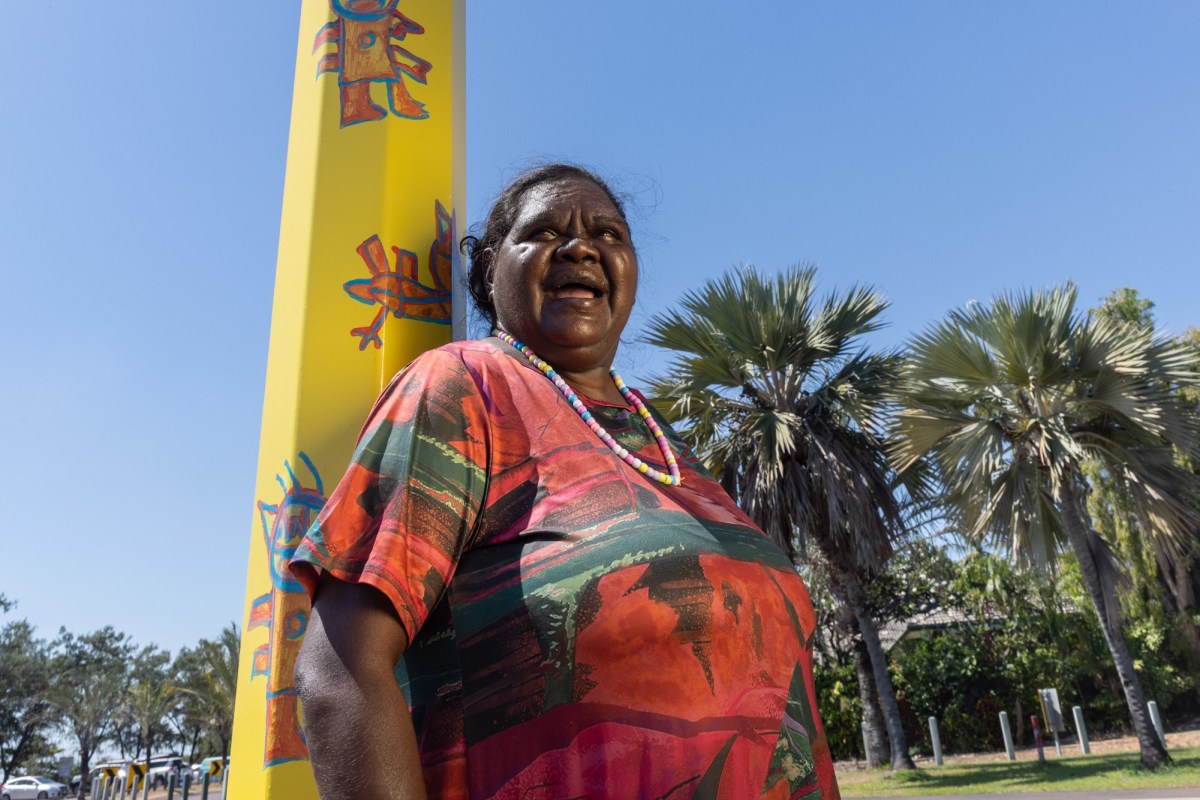
Free Space artists have expanded the Magical Mangroves project – painting vibrant public artwork on to concrete tables along the Rapid Creek foreshore. Last year artist Tara Darcy was also commissioned to draw on her experience of growing up on the west Arnhem land coast to create striking designs for two new light poles for the Nightcliff jetty carpark.
Speaking of the work by Free Space artists, Darwin Community Arts’ Carlo Ansaldo said: ‘The colour, joy and local themes our artists explore through their public commissions resonate widely with the community and actively contribute to placemaking – creating a shared identity of our home on Larrakia land.’
Designing accessible environments from the outset
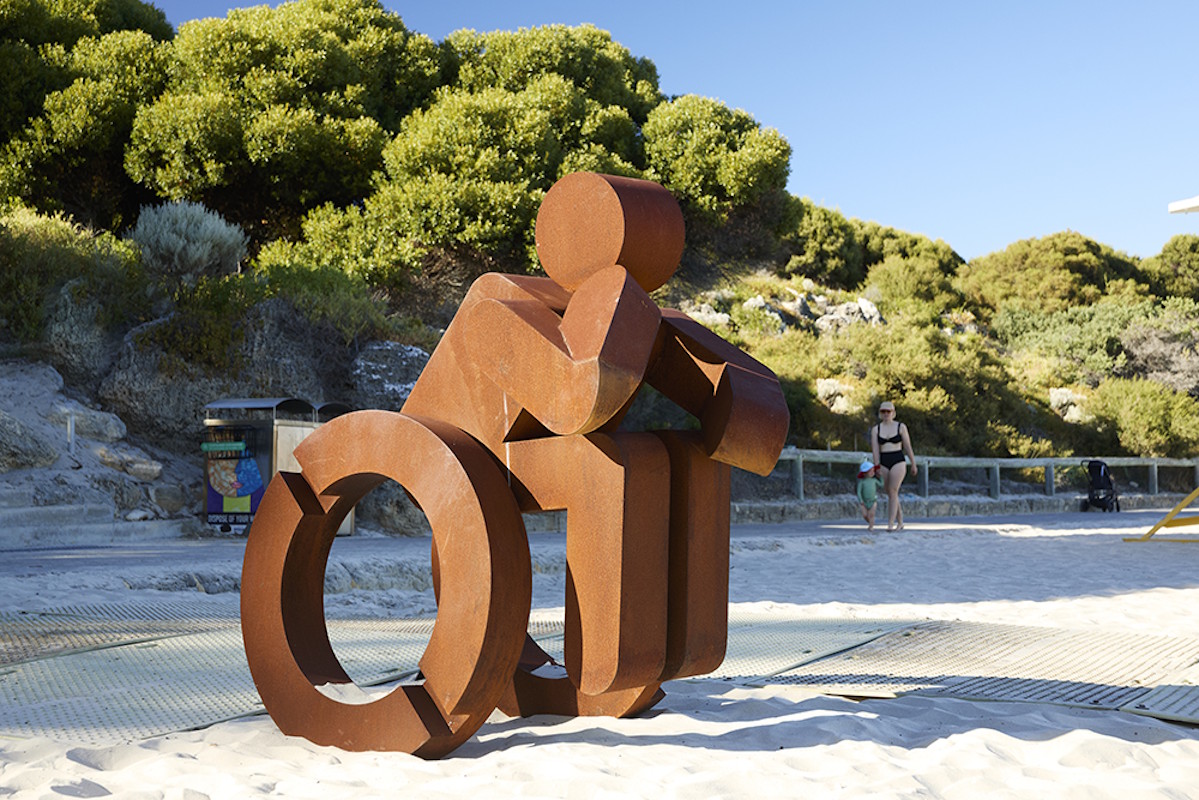
Public artist Julian Pereira reminds us of the importance of commissioning artists with disabilities to make work for public space. Created for the 2024 Sculpture by the Sea in Cottesloe and Sydney, his work The Thinker reinterprets French sculptor Auguste Rodin’s 19th century sculpture of the same name.
Whereas Rodin’s muscular nude male is contemplatively perched forward on a large rock, Pereria’s figure is a sculpted version of the international wheelchair symbol – also known as the international symbol of access.
By using lived experience to reimagine classical iconography, Pereira gives new meaning to this well-known signifier. Exhibiting this work at Sculpture by the Sea, the artist reveals how coastal paths, stairs and iconic Australian landscapes often exclude disabled bodies.
‘Along that coastal walk is that there’s lots of stairs,’ Pereira said. ‘So because it’s not accessible, parents with prams have to pick up the pram and carry it up the stairs. My work is like advocacy, through art, right? I’m trying to spark conversation about the issues that are faced. So just really driving home that point of accessibility.’
Placed in a highly visible public context, Pereira’s work encourages passersby to consider how public environments could be designed from the outset with principles of accessibility at their core. His work demonstrates that commissioning artists with disability to create new work for public space is not an act of inclusion for inclusion’s sake, but a crucial part of rethinking how we can make urban environments more accessible for everybody who uses them.