Monash University Museum of Art celebrated its 50th anniversary this year. It was a moment to not only highlight the many legacies of this important Melbourne institutions, but one that reinstated the MUMA’s value for the future.
This week, MUMA is among the first visual arts institutions to release its 2026 program – and it is a cracker.
As one of Australia’s leading university art museums, it has long been an institution for thought-provoking exhibitions and, in 2026, the program moves between solo exhibitions, First Nations knowledge and hybrid ways to filter our contemporary world.
The program has been curated around the idea of ‘a year-long exploration of belief and ways of knowing,’ according to a gallery announcement, ‘probing mysticism, ancestral traditions, ritual, mythology and collective belief systems as vital frameworks for navigating contemporary life.’
MUMA 2026 program – quick links
Looking to artists to guide resistance, renewal and care
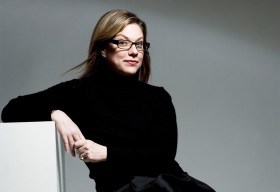
Dr Rebecca Coates, Director of MUMA, explains: ‘At a time when people across the world are questioning what they believe in and how they connect, MUMA’s 2026 exhibition program explores how artists channel spiritual and ancestral traditions into creative practices of resistance, renewal and care.
‘These exhibitions invite audiences to reflect on the unseen forces that shape our lives – be they spiritual, cultural or communal—and to reimagine art’s role as a means to experience, learn and share in times of uncertainty.’
Sound good? Well, what are the highlights?
Four disparate exhibitions that challenge us to think
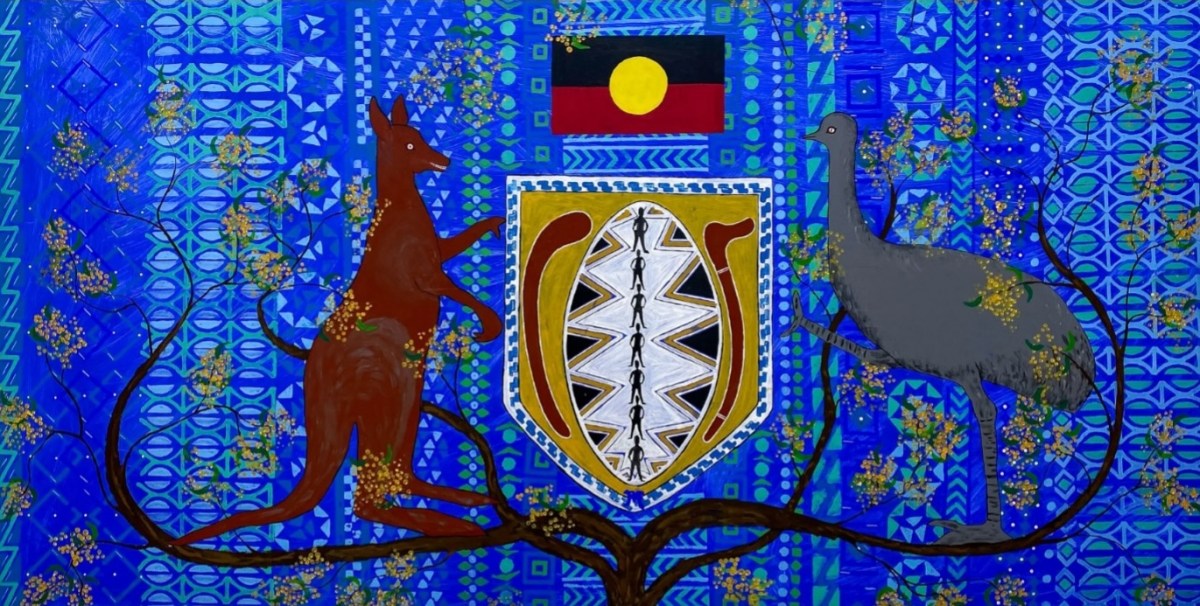
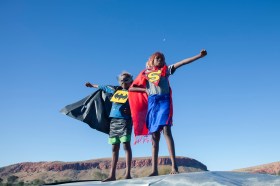
MUMA kicks off the year with a major group exhibition titled Knowing Otherwise (7 February – 2 April). It uses the erosion of trust in dominant Western systems as its kickboard, turning to alternative ways of understanding and navigating our world in flux.
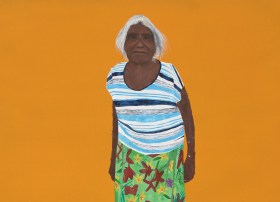
Artists include Paola Balla (Wemba Wemba, Gunditjmara), Vali Myers, Rosaleen Norton, Gail Mabo (Meriam) and Karina Utomo. Moving from mysticism and Indigenous storytelling to ritual and the occult, Knowing Otherwise explores acts of resistance and transformation.
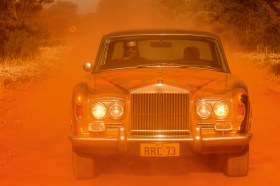
It is followed by the first Australian survey of the London-based, Indonesian and Aotearoan/New Zealander artist Sriwhana Spong (24 April – 28 June), wryly titled HA HA HA. Pairing new commissions with key works in film, sculpture, textiles and performance, the exhibition again turns to mysticism and migration as tools to navigate our world. It draws on Balinese cosmologies, medieval female mystics and embodied ritual, and is rich exhibition making that opens the mind.
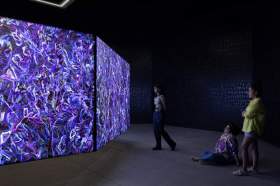
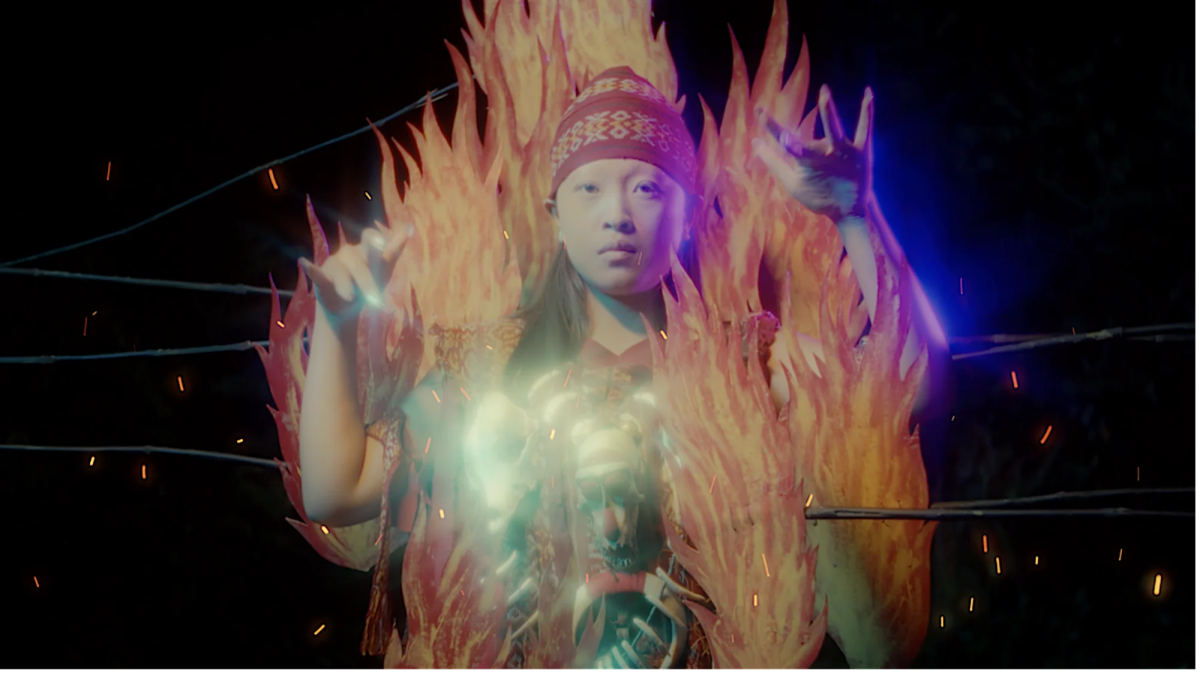
Next comes a two-person exhibition of Filipino-Australian artist Justin Talplacido Shoulder and Minahasan artist Natasha Tontey (17 July – 19 September), pairing two artists who bridge disciplines to fuse speculative futures with ancestral mythologies.
What is exciting about this project is that it is part of Kindred People, a new Indigenous-led festival presented by Monash University.
Read: Kindred People: Monash University announces new Indigenous-led festival for 2026
Wrapping up the year is another major solo exhibition, this time the first deep dive into Pitcha Makin Fellas (9 October – 5 December), a First Nations collective based on Wadawurrung and Dja Dja Wurrung land (Ballarat).
The gallery announcement explains: ‘Known for their bold stamp paintings, breastplates, projections and books, the Fellas’ work powerfully challenges racism, colonialism and social injustice while honouring Country and caring for community.’
Coates has the final say on what the program says of the year ahead: ‘Universities are, at their core, about ideas, new knowledge and learning. Through MUMA’s program we extend this pursuit into the cultural sphere, offering exhibitions that foster critical reflection, dialogue and connection across diverse communities.’