
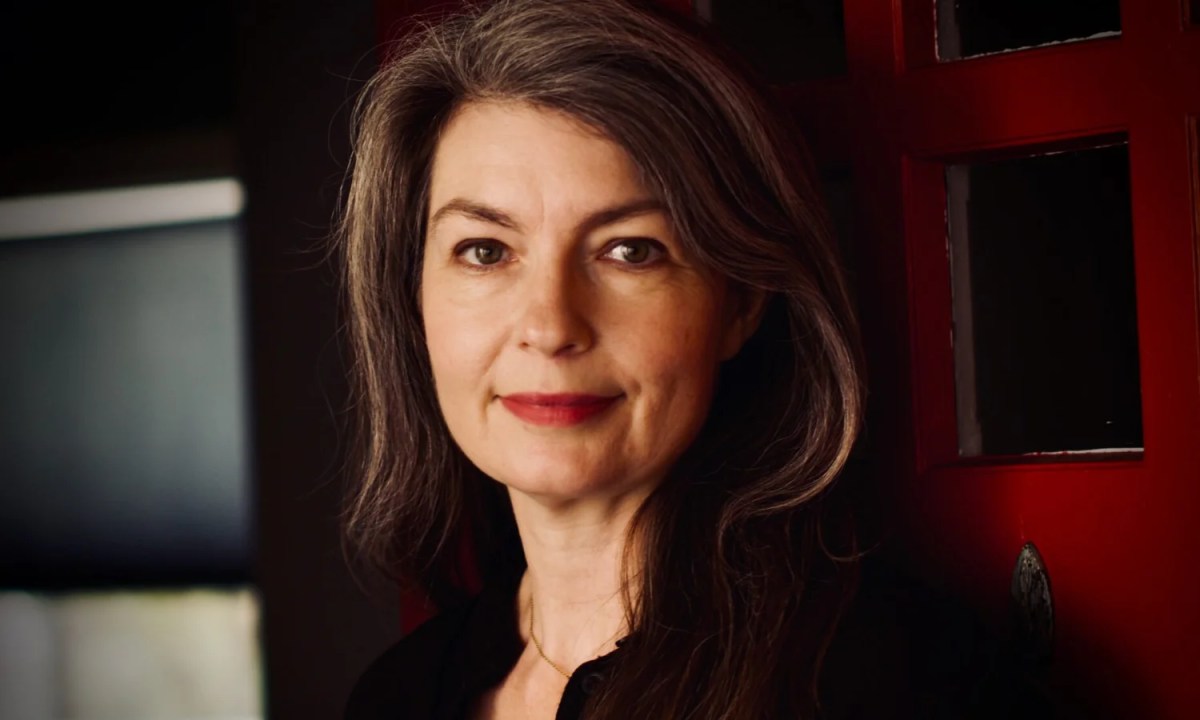
This course, How To Fiction: Craft Essentials with Kirsten Tranter, will take place online.
The magic of fiction is generated by an alchemy of art and craft mechanics. This reading and writing-intensive course takes a deep dive into five essential elements of craft: character, conflict, and plot; narrative voice and point of view; dialogue; setting and sensory imagery; and ‘show, don’t tell”. We will discuss how these things work, and how they work together.
In this class, we will demystify these aspects of writing and look in-depth at examples of authors who master them to spectacular effect across genres of literary fiction, science fiction, crime fiction, and the classics. Participants will develop insight into these key ingredients of creative writing, generating writing in each class designed to practice and refine specific skills in each area.
This course combines close reading with practical exercises, distilling Kirsten Tranter’s experience teaching advanced creative writing around the world. If you are just getting started as a writer, this class will generate ideas and help you master the tools to create compelling characters and stories; if you have a work in progress, this course will sharpen your existing skills, offer a deeper engagement with your characters, settings, and invite you to reflect on how you can most effectively tell the story you want to tell.
Week-by-Week Course Breakdown:
Whether you want to write flash fiction, short stories or a novel, the principles of the craft of narrative fiction remain essentially the same. This lesson introduces the key elements of fiction covered in the course and how they work together in the process of writing — character and conflict, narrative voice, point of view, dialogue, setting, sensory imagery, and the principle of ‘show, don’t tell,’ along with the basics of plot. The class will include writing prompts in preparation for next week’s lesson on Character and Conflict, and a discussion of how to structure your own personal writing practice.
Week Two (Monday 16 March): Character, Conflict & Plot
Conflict is an essential ingredient of narrative, whatever the genre: it brings characters to life, propels the story, and engages the reader. But what is it? Maybe conflict brings to mind a duel at dawn or a full-throated argument. In this class we will consider an expansive version of conflict that encompasses any kind of problem that the story works to solve or question that the narrative seeks to explore. We will examine classical forms of conflict in narrative, and consider the intimate relationship between desire, character, conflict and plot. The class will include writing exercises designed to create convincing characters and sharpen the writer’s approach to conflict.
What voice will you use to tell your story? So much depends on who is telling the story, and how. This class covers the basics of the three types of narrative voice: first person, second person and third person, and reveals the power of point of view to shape many aspects of narrative, from setting and description to character. We will do some close reading of excerpts from authors who use these different types of voices to brilliant effect.
Week Four (Monday 30 March): Dialogue
What is dialogue for? What makes dialogue sound crisp or flat, natural or scripted, engaging or like a part you want to skim over? Effective dialogue isn’t just about what is said, but also what is unsaid. Gesture; silence; thoughts that are left unspoken: these are all essential parts of dialogue in addition to the actual words spoken. This class considers how to create dialogue that is rich in subtext, builds character, and propels the narrative.
Week Five (Tuesday 7 April): Setting and Sensory Imagery
Week Six (Monday 13 April): “Show, Don’t Tell”
“Show, don’t tell,” is one of those pieces of advice you may have heard and thought, ok, sure, but… how, and what does it really mean? We are in the business of “telling” stories, aren’t we? This class attempts to demystify this adage. This advice is really trying to encourage us as authors to invite the reader into the collaborative work of making meaning — to leave space for the reader’s imagination in the worlds and dramas we create on the page. Exercises in this class will invite you to let go of some of your impulses to over-explain and make space for uncertainty, and will provide concrete strategies for doing less “telling” and more “showing.”
Expected Learning outcomes:
Participants will:
- Develop an in-depth understanding of essential elements of the craft of fiction: character & conflict; narrative voice and point of view; dialogue; setting & description; the principles of “show, don’t tell’
- Understand how these elements of craft work together to create compelling narratives
- Practice these elements of craft in writing exercises targeted to develop specific skills
Participant Requirements
- Internet access and confidence using basic computer software are essential for this program.
More Information
The course takes place on a user-friendly website called Wet Ink, designed specifically for writing courses. Each Monday during the course, a new lesson will be posted online. Participants will have the week to work through the content and post responses to exercises designed to put the theory they’re learning into practice.
You do not need to log into the course at a specific time and there are no live meetings. You will receive an email with an invitation link to join the online classroom a week before the course starts.
- Participants will work through several lessons, which will open sequentially over the course.
- You can complete the lesson material in your own time.
- This course includes assignments and the opportunity to give and receive peer feedback. Some assignments will receive tutor feedback if completed by the deadlines provided.
For six-week courses, we suggest spending three to four hours per week on the course. Please note that the amount of time needed to read, respond to discussions, write, revise and critique will vary from person to person.
Is this course right for you? Please read our FAQ> for important information before enrolling.
If you have questions about this course, please contact us.
For more information click here